GLP-1 Grocery List — What to Buy Every Week | Women’s Healthy
🛒 Weekly Nutrition
GLP-1 Grocery List — What to Buy Every Week to Protect Your Health
📅 Published May 2026✍️ womenshealthy.org Editorial Team⏱ 10 min read✅ Reviewed by a Registered Dietitian
Starting a GLP-1 medication — Ozempic, Wegovy, Mounjaro, or Zepbound — changes almost everything about how you relate to food. Your appetite drops dramatically. Meals feel like too much. You may feel full after a few bites and go hours without hunger. And in that context, a trip to the grocery store can feel overwhelming: what do you actually need to buy when you are barely eating?
The answer matters more than most people realize. When your overall food intake falls by 30–40%, the nutritional quality of everything you do eat becomes critical. An empty cart is not a healthy cart. And a cart full of the wrong foods — however small the portions — will accelerate muscle loss, trigger or worsen side effects, and create the nutritional deficiencies that research now links directly to long-term GLP-1 therapy.
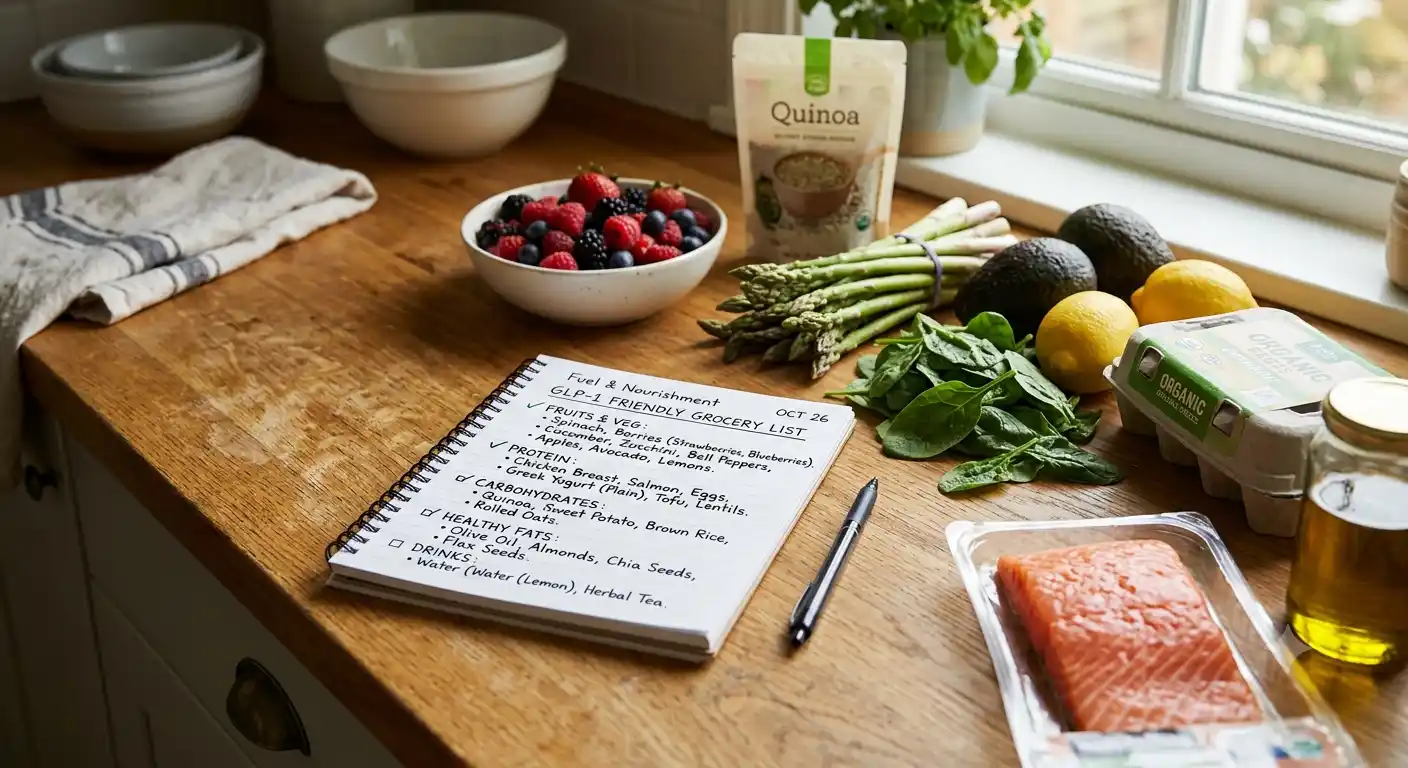
This is your complete, dietitian-organized GLP-1 grocery list — with every item explained, the science behind each category, a budget-friendly breakdown, and a checklist you can take to the store every single week.
⚡ What This List Prioritizes
Every item on this list was chosen to address the four most common nutritional problems on GLP-1 therapy: inadequate protein (affects 88%+ of users), insufficient fiber (the #1 cause of constipation), micronutrient deficiencies (vitamin D, iron, calcium, B12), and nausea-triggering foods to avoid. If your cart covers all five aisles below each week, you are eating strategically — not just less.
Why Your Grocery List Has to Change on GLP-1
The research on nutritional outcomes for GLP-1 users published between 2025 and 2026 has been consistent and concerning. GLP-1 medications suppress appetite so effectively that most users eat far below what their bodies need — not in calories, but in specific nutrients that are disproportionately affected by eating less.
60%
The proportion of GLP-1 users who consume below estimated requirements for both calcium and iron, according to a 2026 narrative review in Clinical Obesity covering 480,825 adults. The same study found vitamin D intake averaged just 20% of recommended levels, and that protein and calcium insufficiency directly contributed to lean muscle mass loss.
Source: Urbina et al., Clinical Obesity, Wiley — January 2026 · PubMed ID: 41549912
A separate 2025 study found that only 5% of GLP-1 users met optimal protein targets — and most averaged just 0.6 g of protein per kilogram of body weight, against a recommended 1.2–1.6 g/kg. A 2026 European study tracking eating habits found that 88% of users missed daily protein targets, with the average intake critically below what muscle preservation requires.
The solution is not eating more — it is buying smarter. Every item on your GLP-1 grocery list should earn its place by delivering maximum protein, fiber, or micronutrient value in a small, tolerable portion.
The Complete GLP-1 Grocery List — Organized by Aisle
🖨️ Save this list — check off items as you shop
Aisle 1 — Proteins (The Non-Negotiable Section)
This is the most important section of your cart every single week. On GLP-1 medications, protein must come first — in your meal, in your shopping decisions, and in your weekly budget allocation. Aim to spend at least 30–35% of your food budget here.
💪 Proteins — Buy Every Week
Eggs (1 dozen) Must-have
The most complete, affordable, and nausea-friendly protein on the list. Two eggs = 13 g protein, plus vitamin D, B12, choline, and selenium. Soft-scrambled or poached are easiest to tolerate on GLP-1. Directly stimulate GLP-1 secretion from intestinal L-cells.
Plain Greek yogurt, full-fat (32 oz tub) Must-have
15–20 g protein per serving, plus calcium, probiotics, and casein (slow-digesting). One of the most multi-functional foods on this list — covers protein, bone health, and gut support simultaneously. Choose full-fat for better satiety and hormone production.
Cottage cheese (16–24 oz) Must-have
14 g protein per half-cup, extremely easy to digest in the early weeks on GLP-1. Soft texture makes it ideal when nausea is present. Higher in sodium than Greek yogurt — rinse if you are sodium-sensitive or opt for a low-sodium variety.
Canned wild-caught salmon or sardines (3–4 cans) Bone + muscle
Among the most nutrient-dense, affordable protein sources available. Sardines with bones provide calcium, omega-3, vitamin D, and B12 simultaneously — targeting four of the top five GLP-1 deficiency categories in one food. No cooking required. Essential weekly buy.
Boneless chicken thighs or breast (1.5–2 lbs) Must-have
30 g protein per 100 g cooked. Thighs are slightly more moist and easier to eat in small portions than breast meat — important when food textures feel overwhelming. Batch-cook on Sundays so protein is already prepared and accessible throughout the week.
Edamame, frozen (12–16 oz bag) Budget pick
A complete plant protein — one cup delivers 17 g protein, 8 g fiber, and meaningful amounts of iron and folate. Works as a snack or meal addition. One of the few plant foods that delivers both protein and fiber at a clinically significant level per small serving.
Kefir, plain (16–32 oz) Gut health
Liquid fermented dairy with 8–12 g protein per cup and dozens of live probiotic strains. Better tolerated than solid dairy for many GLP-1 users because of its texture and the presence of lactase-producing bacteria that reduce lactose. Supports Akkermansia muciniphila growth.
Aisle 2 — Produce (Fiber and Micronutrients)
The produce section is where you address fiber (to prevent constipation and support gut-driven GLP-1 production) and micronutrients (to prevent the deficiencies that accumulate silently over months of reduced food intake). Choose cooked vegetables over raw during the first weeks on GLP-1 — they are dramatically easier to digest when gastric emptying is slowed.
🥦 Produce — Buy Every Week
Baby spinach (5–6 oz bag) Must-have
One of the most nutrient-dense greens per calorie: iron, folate, vitamin K, magnesium, and potassium — covering four of the top micronutrient deficits seen in GLP-1 users. Wilts down to almost nothing when cooked, making it easy to eat large amounts in small portions. Add to eggs, smoothies, or soups.
Broccoli or zucchini (1–2 heads / 2 medium) Gut health
Both are exceptionally gentle when steamed or roasted, making them ideal for the GI sensitivity that comes with GLP-1 medications. Broccoli provides sulforaphane (anti-inflammatory) and vitamin C alongside fiber. Zucchini is very low in fermentable carbohydrates, reducing bloating risk significantly.
Avocados (2–3) Must-have
A 2019 controlled study found that eating a whole avocado with a meal significantly raised GLP-1 and peptide YY (satiety hormones) while reducing insulin compared to a control meal. Each avocado provides 5 g fiber, 10 g monounsaturated fat, potassium, magnesium, and folate — all in a soft, nausea-friendly texture.
Blueberries or mixed berries, fresh or frozen (12 oz) Gut + Akkermansia
Polyphenol-rich berries directly feed Akkermansia muciniphila — the gut bacterium most associated with GLP-1 receptor sensitivity. Research confirms blueberries, pomegranate, and cranberries increase Akkermansia populations through their anthocyanin and ellagitannin content. Frozen berries are nutritionally equivalent to fresh and more affordable year-round.
Both are rich in inulin and fructan — prebiotic fibers fermented by gut bacteria into butyrate and propionate, which directly stimulate L-cell GLP-1 secretion. Cooked garlic and onion are well-tolerated on GLP-1. Raw onion in large amounts may worsen bloating in the first weeks — cook first.
Sweet potato (2–3 medium) Nutrient-dense carb
One sweet potato provides vitamin A (full daily dose), potassium, vitamin C, and 4 g fiber — with a gentle glycemic profile when consumed with protein. Cooked and cooled sweet potato also develops resistant starch, which fuels SCFA-producing gut bacteria for sustained GLP-1 elevation.
Aisle 3 — Pantry Staples (Fiber, Grains, and Gut Support)
🫙 Pantry Staples — Restock Weekly or Bi-Weekly
Rolled oats (large container) Beta-glucan fiber
The richest natural source of beta-glucan — the soluble fiber that forms a gel in your gut, slows glucose absorption, and triggers GLP-1 release. A randomized trial found 4 g of oat beta-glucan daily improved post-meal insulin response. Overnight oats are the most nausea-friendly preparation — made cold, small, and eaten slowly.
Canned lentils or chickpeas (2–3 cans) Budget + protein + fiber
The ultimate GLP-1 food: lentils deliver 18 g protein and 16 g fiber per cup cooked. Canned versions require zero prep time — rinse and add to salads, soups, or bowls. A 2025 research review identifies legumes as among the most effective foods for fiber-driven SCFA production and secondary GLP-1 secretion in the lower gut.
Chia seeds (12 oz bag) Omega-3 + fiber
Two tablespoons deliver 5 g fiber, 4 g plant omega-3, and 3 g protein in virtually no volume. Mix into overnight oats, yogurt, or water to create a filling gel. Chia seeds’ soluble fiber slows gastric emptying further — which on GLP-1 helps sustain satiety between small meals.
Oleic acid in olive oil directly activates GPR40 and GPR120 receptors on intestinal L-cells, triggering rapid GLP-1 release within 30 minutes of eating. A 2021 research review confirmed unsaturated fats like olive oil are significantly more effective at stimulating GLP-1 than saturated fats. Drizzle on everything.
Cinnamon (ground) + turmeric Natural GLP-1 spices
Both are confirmed in peer-reviewed research to influence GLP-1 release. Cinnamon (standardized active compounds: type-A polymers) helps prevent post-meal blood sugar spikes and supports GLP-1 secretion. Curcumin from turmeric is classified in PubMed systematic reviews alongside berberine as a natural compound that measurably influences GLP-1 expression.
Green tea (loose or bags) Anti-nausea + GLP-1
EGCG catechins in green tea support Akkermansia muciniphila growth and have mild GLP-1-supporting effects. Ginger tea — brewed from fresh ginger or ginger tea bags — is one of the most evidence-backed natural remedies for GLP-1-related nausea. Stock both every week.
Aisle 4 — Supplement Aisle or iHerb Order
When food intake drops significantly, supplementation becomes a clinical necessity rather than a preference. A 2026 review in Clinical Obesity recommends targeted nutritional assessment for GLP-1 users, given that most are failing to meet requirements for vitamin D, iron, calcium, B12, and zinc through food alone.
🌿 iHerb Weekly Add-On — Nutritional Insurance for GLP-1 Users
California Gold Nutrition GLP-1 Support Formula — Marine Collagen Peptides, Prebiotic Fiber & Leucine-Enriched EAA Blend
Think of this as the supplement version of your grocery list — addressing the same protein and gut health gaps that food alone may not fully cover on days when appetite is very low. It delivers enzymatically hydrolyzed marine collagen peptides paired with a leucine-enriched essential amino acid blend (ensuring complete muscle-building signaling), prebiotic resistant fiber (feeding the Akkermansia-GLP-1 gut pathway), and polyphenol compounds from Sicilian red grape and red orange extracts.
Available unflavored (stirs invisibly into coffee or water — zero taste) or in Watermelon Yuzu (light, refreshing, nausea-friendly). Add one serving to your morning coffee or cold water before your first meal. Rated 4.4–4.5/5 across 185–792 verified iHerb reviews. Third-party tested, dairy-free, gluten-free, non-GMO.
What to Avoid Buying — GLP-1 Grocery List Additions That Backfire
🚫 Skip These — They Work Against Your Medication
Fried snack foods and chips. GLP-1 already slows gastric emptying. High-fat, high-calorie snack foods further delay stomach clearance, dramatically increasing nausea and reflux risk. They also crowd out nutritionally valuable foods in your already-limited appetite window.
Mass gainer protein shakes or protein bars over 400 calories. These are designed to help athletes gain weight. They work directly against the calorie deficit your GLP-1 medication is producing and will significantly slow weight loss results.
Carbonated drinks (including sparkling water, soda, kombucha in large amounts). Carbonation expands gas volume in a stomach with slowed emptying. This is a primary driver of the bloating and early fullness that makes eating adequate meals harder. Reduce significantly, especially in the first weeks.
High-fiber raw vegetables in large amounts early on. Cruciferous vegetables like broccoli, cabbage, and Brussels sprouts are healthy long-term — but in raw, large portions during the first 4–6 weeks of GLP-1, their fermentable carbohydrates worsen bloating and cramping. Steam or roast first, and introduce gradually.
“GLP-1 friendly” ultra-processed packaged foods. A growing number of branded foods now carry a GLP-1 marketing label. This label is unregulated and often applied to heavily processed products with minimal nutritional value. Always read the actual nutrition facts label — ingredients and nutrients tell you far more than marketing claims.
Budget-Friendly Weekly GLP-1 Grocery Spend
You do not need to spend more money to eat well on GLP-1 — in fact, most users spend significantly less because they are eating far smaller quantities. This sample weekly budget shows how to cover your nutritional bases for approximately $75–90.
Kefir (1 bottle), additional yogurt or cottage cheese
$8–12
Calcium, B12, probiotic diversity
Weekly Total
$71–92
Complete GLP-1 nutritional protocol
💡 RD Shopping Tip
Shop the perimeter of the store first — fresh produce, dairy, eggs, and meat cover 80% of your nutritional needs. Then move to the center aisles specifically for: canned fish, canned legumes, oats, olive oil, and chia seeds. Anything else in the center aisles should be read carefully before adding to your cart.
Frequently Asked Questions
What should be on a GLP-1 grocery list every week without fail?
▾
The non-negotiable weekly items are: eggs (most complete affordable protein), plain Greek yogurt or cottage cheese (protein + calcium + probiotics), at least one oily fish (canned salmon or sardines for vitamin D, B12, and omega-3), leafy greens such as spinach (iron, folate, magnesium), avocados (fiber + healthy fat + GLP-1 stimulating), frozen berries (Akkermansia-feeding polyphenols), rolled oats (beta-glucan fiber), and extra-virgin olive oil. These eight categories address protein, fiber, and the top five micronutrient deficiencies documented in GLP-1 users in peer-reviewed literature.
How much should I spend on groceries per week on GLP-1?
▾
Most women on GLP-1 medications actually spend less on groceries than before — portion sizes are smaller and restaurant visits typically decrease significantly. A well-structured weekly GLP-1 grocery list covering all nutritional priorities costs approximately $70–95 per person, depending on your location and store choices. Canned fish, frozen berries, canned legumes, and rolled oats are among the highest-value items per dollar for GLP-1 nutritional needs. Specialty “GLP-1 branded” packaged foods are generally not worth the premium they charge.
What foods help with constipation on GLP-1 medications?
▾
Constipation is one of the most common GLP-1 side effects, caused by slowed gastric emptying and reduced overall food volume. The foods that most effectively address it are: canned legumes (lentils, chickpeas — highest fiber per portion), chia seeds (5 g soluble fiber per 2 tablespoons, forms a gut-motility supporting gel), avocado (soluble fiber plus healthy fat that lubricates the GI tract), cooked oats (beta-glucan), cooked sweet potato, and plenty of hydration — aim for 2–3 liters of still water daily. Increase fiber-rich foods gradually to avoid worsening bloating.
Are there specific foods that reduce nausea on GLP-1?
▾
Yes. The foods most reliably tolerated when nausea is present are: plain crackers or overnight oats (bland, dry, low-fat), plain Greek yogurt or cottage cheese (soft, cool, protein-dense), scrambled or soft-boiled eggs, steamed zucchini or cucumber (low fermentability), cold broth-based soups, and small portions of cold or room-temperature food (heat and strong smells worsen nausea). Ginger tea is one of the most evidence-backed natural anti-nausea remedies for GI conditions. Foods to strictly avoid when nausea is active: anything fried, high-fat, heavily spiced, carbonated, or served very hot.
What supplements should GLP-1 users buy in addition to food?
▾
A 2026 Clinical Obesity review covering 480,825 adults found that over 60% of GLP-1 users consumed below requirements for calcium and iron, and vitamin D intake averaged just 20% of recommendations. Most dietitians working with GLP-1 patients recommend: a comprehensive multivitamin (for vitamin D, B12, iron, zinc, folate), a protein supplement (whey isolate or marine collagen plus essential amino acids) for days when appetite is very low, and a gut-health supplement containing Akkermansia muciniphila and/or prebiotic fiber. Ask your doctor to test vitamin D, B12, ferritin, and zinc levels every 3–6 months.
Can I still use Instacart or grocery delivery on GLP-1?
▾
Absolutely — and for many GLP-1 users, grocery delivery is a practical advantage. Fatigue, reduced appetite, and side effects during dose escalation can make in-store shopping feel exhausting. Apps like Instacart, Amazon Fresh, and Walmart Grocery allow you to use this list as a saved order that you repeat weekly with minimal effort. Many platforms now have GLP-1 friendly shopping lists or “high protein” filters. The GLP-1 Support Formula and other supplements mentioned in this article are also available for delivery directly from iHerb.com with international shipping.
📚 Trusted Sources & Further Reading
Urbina A. et al. (2026). Micronutrient and Nutritional Deficiencies Associated With GLP-1 Receptor Agonist Therapy: A Narrative Review. Clinical Obesity, Wiley. pubmed.ncbi.nlm.nih.gov
Johnson B. et al. (2025). Suboptimal protein intake in GLP-1 receptor agonist users. Journal of the International Society of Sports Nutrition. ncbi.nlm.nih.gov
Butsch W.S. et al. (2025). Nutritional Deficiencies and Muscle Loss in Adults With T2D Using GLP-1 Receptor Agonists. Obesity Pillars. sciencedirect.com
Compass Nutrition. (2026). The Ultimate GLP-1 Grocery List — What to Buy and Why.compassnutrition.com
MyFitnessPal Dietitians. (2026). GLP-1 Grocery List: Budget-Friendly Foods to Meet Your Nutrition Goals.blog.myfitnesspal.com
News-Medical.net. (2025). GLP-1 weight loss drugs leave users low on key nutrients, study finds.news-medical.net
NIH — NCB. (2025). GLP-1 Receptor Agonists: Good for Body Weight, Bad for Micronutrient Status?ncbi.nlm.nih.gov
Yahoo Health / Registered Dietitian. (2026). The Ultimate Grocery List for GLP-1 Users.health.yahoo.com
Healthline. (2025). 6 Foods That Increase GLP-1 Levels — Including Avocado Study (2019).healthline.com
GLP-1 Grocery List — What to Buy Every Week | Women’s Healthy
🛒 Weekly Nutrition
GLP-1 Grocery List — What to Buy Every Week to Protect Your Health
📅 Published May 2026✍️ womenshealthy.org Editorial Team⏱ 10 min read✅ Reviewed by a Registered Dietitian
Starting a GLP-1 medication — Ozempic, Wegovy, Mounjaro, or Zepbound — changes almost everything about how you relate to food. Your appetite drops dramatically. Meals feel like too much. You may feel full after a few bites and go hours without hunger. And in that context, a trip to the grocery store can feel overwhelming: what do you actually need to buy when you are barely eating?
The answer matters more than most people realize. When your overall food intake falls by 30–40%, the nutritional quality of everything you do eat becomes critical. An empty cart is not a healthy cart. And a cart full of the wrong foods — however small the portions — will accelerate muscle loss, trigger or worsen side effects, and create the nutritional deficiencies that research now links directly to long-term GLP-1 therapy.
This is your complete, dietitian-organized GLP-1 grocery list — with every item explained, the science behind each category, a budget-friendly breakdown, and a checklist you can take to the store every single week.
⚡ What This List Prioritizes
Every item on this list was chosen to address the four most common nutritional problems on GLP-1 therapy: inadequate protein (affects 88%+ of users), insufficient fiber (the #1 cause of constipation), micronutrient deficiencies (vitamin D, iron, calcium, B12), and nausea-triggering foods to avoid. If your cart covers all five aisles below each week, you are eating strategically — not just less.
Why Your Grocery List Has to Change on GLP-1
The research on nutritional outcomes for GLP-1 users published between 2025 and 2026 has been consistent and concerning. GLP-1 medications suppress appetite so effectively that most users eat far below what their bodies need — not in calories, but in specific nutrients that are disproportionately affected by eating less.
60%
The proportion of GLP-1 users who consume below estimated requirements for both calcium and iron, according to a 2026 narrative review in Clinical Obesity covering 480,825 adults. The same study found vitamin D intake averaged just 20% of recommended levels, and that protein and calcium insufficiency directly contributed to lean muscle mass loss.
Source: Urbina et al., Clinical Obesity, Wiley — January 2026 · PubMed ID: 41549912
A separate 2025 study found that only 5% of GLP-1 users met optimal protein targets — and most averaged just 0.6 g of protein per kilogram of body weight, against a recommended 1.2–1.6 g/kg. A 2026 European study tracking eating habits found that 88% of users missed daily protein targets, with the average intake critically below what muscle preservation requires.
The solution is not eating more — it is buying smarter. Every item on your GLP-1 grocery list should earn its place by delivering maximum protein, fiber, or micronutrient value in a small, tolerable portion.
The Complete GLP-1 Grocery List — Organized by Aisle
🖨️ Save this list — check off items as you shop
Aisle 1 — Proteins (The Non-Negotiable Section)
This is the most important section of your cart every single week. On GLP-1 medications, protein must come first — in your meal, in your shopping decisions, and in your weekly budget allocation. Aim to spend at least 30–35% of your food budget here.
💪 Proteins — Buy Every Week
Eggs (1 dozen) Must-have
The most complete, affordable, and nausea-friendly protein on the list. Two eggs = 13 g protein, plus vitamin D, B12, choline, and selenium. Soft-scrambled or poached are easiest to tolerate on GLP-1. Directly stimulate GLP-1 secretion from intestinal L-cells.
Plain Greek yogurt, full-fat (32 oz tub) Must-have
15–20 g protein per serving, plus calcium, probiotics, and casein (slow-digesting). One of the most multi-functional foods on this list — covers protein, bone health, and gut support simultaneously. Choose full-fat for better satiety and hormone production.
Cottage cheese (16–24 oz) Must-have
14 g protein per half-cup, extremely easy to digest in the early weeks on GLP-1. Soft texture makes it ideal when nausea is present. Higher in sodium than Greek yogurt — rinse if you are sodium-sensitive or opt for a low-sodium variety.
Canned wild-caught salmon or sardines (3–4 cans) Bone + muscle
Among the most nutrient-dense, affordable protein sources available. Sardines with bones provide calcium, omega-3, vitamin D, and B12 simultaneously — targeting four of the top five GLP-1 deficiency categories in one food. No cooking required. Essential weekly buy.
Boneless chicken thighs or breast (1.5–2 lbs) Must-have
30 g protein per 100 g cooked. Thighs are slightly more moist and easier to eat in small portions than breast meat — important when food textures feel overwhelming. Batch-cook on Sundays so protein is already prepared and accessible throughout the week.
Edamame, frozen (12–16 oz bag) Budget pick
A complete plant protein — one cup delivers 17 g protein, 8 g fiber, and meaningful amounts of iron and folate. Works as a snack or meal addition. One of the few plant foods that delivers both protein and fiber at a clinically significant level per small serving.
Kefir, plain (16–32 oz) Gut health
Liquid fermented dairy with 8–12 g protein per cup and dozens of live probiotic strains. Better tolerated than solid dairy for many GLP-1 users because of its texture and the presence of lactase-producing bacteria that reduce lactose. Supports Akkermansia muciniphila growth.
Aisle 2 — Produce (Fiber and Micronutrients)
The produce section is where you address fiber (to prevent constipation and support gut-driven GLP-1 production) and micronutrients (to prevent the deficiencies that accumulate silently over months of reduced food intake). Choose cooked vegetables over raw during the first weeks on GLP-1 — they are dramatically easier to digest when gastric emptying is slowed.
🥦 Produce — Buy Every Week
Baby spinach (5–6 oz bag) Must-have
One of the most nutrient-dense greens per calorie: iron, folate, vitamin K, magnesium, and potassium — covering four of the top micronutrient deficits seen in GLP-1 users. Wilts down to almost nothing when cooked, making it easy to eat large amounts in small portions. Add to eggs, smoothies, or soups.
Broccoli or zucchini (1–2 heads / 2 medium) Gut health
Both are exceptionally gentle when steamed or roasted, making them ideal for the GI sensitivity that comes with GLP-1 medications. Broccoli provides sulforaphane (anti-inflammatory) and vitamin C alongside fiber. Zucchini is very low in fermentable carbohydrates, reducing bloating risk significantly.
Avocados (2–3) Must-have
A 2019 controlled study found that eating a whole avocado with a meal significantly raised GLP-1 and peptide YY (satiety hormones) while reducing insulin compared to a control meal. Each avocado provides 5 g fiber, 10 g monounsaturated fat, potassium, magnesium, and folate — all in a soft, nausea-friendly texture.
Blueberries or mixed berries, fresh or frozen (12 oz) Gut + Akkermansia
Polyphenol-rich berries directly feed Akkermansia muciniphila — the gut bacterium most associated with GLP-1 receptor sensitivity. Research confirms blueberries, pomegranate, and cranberries increase Akkermansia populations through their anthocyanin and ellagitannin content. Frozen berries are nutritionally equivalent to fresh and more affordable year-round.
Both are rich in inulin and fructan — prebiotic fibers fermented by gut bacteria into butyrate and propionate, which directly stimulate L-cell GLP-1 secretion. Cooked garlic and onion are well-tolerated on GLP-1. Raw onion in large amounts may worsen bloating in the first weeks — cook first.
Sweet potato (2–3 medium) Nutrient-dense carb
One sweet potato provides vitamin A (full daily dose), potassium, vitamin C, and 4 g fiber — with a gentle glycemic profile when consumed with protein. Cooked and cooled sweet potato also develops resistant starch, which fuels SCFA-producing gut bacteria for sustained GLP-1 elevation.
Aisle 3 — Pantry Staples (Fiber, Grains, and Gut Support)
🫙 Pantry Staples — Restock Weekly or Bi-Weekly
Rolled oats (large container) Beta-glucan fiber
The richest natural source of beta-glucan — the soluble fiber that forms a gel in your gut, slows glucose absorption, and triggers GLP-1 release. A randomized trial found 4 g of oat beta-glucan daily improved post-meal insulin response. Overnight oats are the most nausea-friendly preparation — made cold, small, and eaten slowly.
Canned lentils or chickpeas (2–3 cans) Budget + protein + fiber
The ultimate GLP-1 food: lentils deliver 18 g protein and 16 g fiber per cup cooked. Canned versions require zero prep time — rinse and add to salads, soups, or bowls. A 2025 research review identifies legumes as among the most effective foods for fiber-driven SCFA production and secondary GLP-1 secretion in the lower gut.
Chia seeds (12 oz bag) Omega-3 + fiber
Two tablespoons deliver 5 g fiber, 4 g plant omega-3, and 3 g protein in virtually no volume. Mix into overnight oats, yogurt, or water to create a filling gel. Chia seeds’ soluble fiber slows gastric emptying further — which on GLP-1 helps sustain satiety between small meals.
Oleic acid in olive oil directly activates GPR40 and GPR120 receptors on intestinal L-cells, triggering rapid GLP-1 release within 30 minutes of eating. A 2021 research review confirmed unsaturated fats like olive oil are significantly more effective at stimulating GLP-1 than saturated fats. Drizzle on everything.
Cinnamon (ground) + turmeric Natural GLP-1 spices
Both are confirmed in peer-reviewed research to influence GLP-1 release. Cinnamon (standardized active compounds: type-A polymers) helps prevent post-meal blood sugar spikes and supports GLP-1 secretion. Curcumin from turmeric is classified in PubMed systematic reviews alongside berberine as a natural compound that measurably influences GLP-1 expression.
Green tea (loose or bags) Anti-nausea + GLP-1
EGCG catechins in green tea support Akkermansia muciniphila growth and have mild GLP-1-supporting effects. Ginger tea — brewed from fresh ginger or ginger tea bags — is one of the most evidence-backed natural remedies for GLP-1-related nausea. Stock both every week.
Aisle 4 — Supplement Aisle or iHerb Order
When food intake drops significantly, supplementation becomes a clinical necessity rather than a preference. A 2026 review in Clinical Obesity recommends targeted nutritional assessment for GLP-1 users, given that most are failing to meet requirements for vitamin D, iron, calcium, B12, and zinc through food alone.
🌿 iHerb Weekly Add-On — Nutritional Insurance for GLP-1 Users
California Gold Nutrition GLP-1 Support Formula — Marine Collagen Peptides, Prebiotic Fiber & Leucine-Enriched EAA Blend
Think of this as the supplement version of your grocery list — addressing the same protein and gut health gaps that food alone may not fully cover on days when appetite is very low. It delivers enzymatically hydrolyzed marine collagen peptides paired with a leucine-enriched essential amino acid blend (ensuring complete muscle-building signaling), prebiotic resistant fiber (feeding the Akkermansia-GLP-1 gut pathway), and polyphenol compounds from Sicilian red grape and red orange extracts.
Available unflavored (stirs invisibly into coffee or water — zero taste) or in Watermelon Yuzu (light, refreshing, nausea-friendly). Add one serving to your morning coffee or cold water before your first meal. Rated 4.4–4.5/5 across 185–792 verified iHerb reviews. Third-party tested, dairy-free, gluten-free, non-GMO.
What to Avoid Buying — GLP-1 Grocery List Additions That Backfire
🚫 Skip These — They Work Against Your Medication
Fried snack foods and chips. GLP-1 already slows gastric emptying. High-fat, high-calorie snack foods further delay stomach clearance, dramatically increasing nausea and reflux risk. They also crowd out nutritionally valuable foods in your already-limited appetite window.
Mass gainer protein shakes or protein bars over 400 calories. These are designed to help athletes gain weight. They work directly against the calorie deficit your GLP-1 medication is producing and will significantly slow weight loss results.
Carbonated drinks (including sparkling water, soda, kombucha in large amounts). Carbonation expands gas volume in a stomach with slowed emptying. This is a primary driver of the bloating and early fullness that makes eating adequate meals harder. Reduce significantly, especially in the first weeks.
High-fiber raw vegetables in large amounts early on. Cruciferous vegetables like broccoli, cabbage, and Brussels sprouts are healthy long-term — but in raw, large portions during the first 4–6 weeks of GLP-1, their fermentable carbohydrates worsen bloating and cramping. Steam or roast first, and introduce gradually.
“GLP-1 friendly” ultra-processed packaged foods. A growing number of branded foods now carry a GLP-1 marketing label. This label is unregulated and often applied to heavily processed products with minimal nutritional value. Always read the actual nutrition facts label — ingredients and nutrients tell you far more than marketing claims.
Budget-Friendly Weekly GLP-1 Grocery Spend
You do not need to spend more money to eat well on GLP-1 — in fact, most users spend significantly less because they are eating far smaller quantities. This sample weekly budget shows how to cover your nutritional bases for approximately $75–90.
Kefir (1 bottle), additional yogurt or cottage cheese
$8–12
Calcium, B12, probiotic diversity
Weekly Total
$71–92
Complete GLP-1 nutritional protocol
💡 RD Shopping Tip
Shop the perimeter of the store first — fresh produce, dairy, eggs, and meat cover 80% of your nutritional needs. Then move to the center aisles specifically for: canned fish, canned legumes, oats, olive oil, and chia seeds. Anything else in the center aisles should be read carefully before adding to your cart.
Frequently Asked Questions
What should be on a GLP-1 grocery list every week without fail?
▾
The non-negotiable weekly items are: eggs (most complete affordable protein), plain Greek yogurt or cottage cheese (protein + calcium + probiotics), at least one oily fish (canned salmon or sardines for vitamin D, B12, and omega-3), leafy greens such as spinach (iron, folate, magnesium), avocados (fiber + healthy fat + GLP-1 stimulating), frozen berries (Akkermansia-feeding polyphenols), rolled oats (beta-glucan fiber), and extra-virgin olive oil. These eight categories address protein, fiber, and the top five micronutrient deficiencies documented in GLP-1 users in peer-reviewed literature.
How much should I spend on groceries per week on GLP-1?
▾
Most women on GLP-1 medications actually spend less on groceries than before — portion sizes are smaller and restaurant visits typically decrease significantly. A well-structured weekly GLP-1 grocery list covering all nutritional priorities costs approximately $70–95 per person, depending on your location and store choices. Canned fish, frozen berries, canned legumes, and rolled oats are among the highest-value items per dollar for GLP-1 nutritional needs. Specialty “GLP-1 branded” packaged foods are generally not worth the premium they charge.
What foods help with constipation on GLP-1 medications?
▾
Constipation is one of the most common GLP-1 side effects, caused by slowed gastric emptying and reduced overall food volume. The foods that most effectively address it are: canned legumes (lentils, chickpeas — highest fiber per portion), chia seeds (5 g soluble fiber per 2 tablespoons, forms a gut-motility supporting gel), avocado (soluble fiber plus healthy fat that lubricates the GI tract), cooked oats (beta-glucan), cooked sweet potato, and plenty of hydration — aim for 2–3 liters of still water daily. Increase fiber-rich foods gradually to avoid worsening bloating.
Are there specific foods that reduce nausea on GLP-1?
▾
Yes. The foods most reliably tolerated when nausea is present are: plain crackers or overnight oats (bland, dry, low-fat), plain Greek yogurt or cottage cheese (soft, cool, protein-dense), scrambled or soft-boiled eggs, steamed zucchini or cucumber (low fermentability), cold broth-based soups, and small portions of cold or room-temperature food (heat and strong smells worsen nausea). Ginger tea is one of the most evidence-backed natural anti-nausea remedies for GI conditions. Foods to strictly avoid when nausea is active: anything fried, high-fat, heavily spiced, carbonated, or served very hot.
What supplements should GLP-1 users buy in addition to food?
▾
A 2026 Clinical Obesity review covering 480,825 adults found that over 60% of GLP-1 users consumed below requirements for calcium and iron, and vitamin D intake averaged just 20% of recommendations. Most dietitians working with GLP-1 patients recommend: a comprehensive multivitamin (for vitamin D, B12, iron, zinc, folate), a protein supplement (whey isolate or marine collagen plus essential amino acids) for days when appetite is very low, and a gut-health supplement containing Akkermansia muciniphila and/or prebiotic fiber. Ask your doctor to test vitamin D, B12, ferritin, and zinc levels every 3–6 months.
Can I still use Instacart or grocery delivery on GLP-1?
▾
Absolutely — and for many GLP-1 users, grocery delivery is a practical advantage. Fatigue, reduced appetite, and side effects during dose escalation can make in-store shopping feel exhausting. Apps like Instacart, Amazon Fresh, and Walmart Grocery allow you to use this list as a saved order that you repeat weekly with minimal effort. Many platforms now have GLP-1 friendly shopping lists or “high protein” filters. The GLP-1 Support Formula and other supplements mentioned in this article are also available for delivery directly from iHerb.com with international shipping.
📚 Trusted Sources & Further Reading
Urbina A. et al. (2026). Micronutrient and Nutritional Deficiencies Associated With GLP-1 Receptor Agonist Therapy: A Narrative Review. Clinical Obesity, Wiley. pubmed.ncbi.nlm.nih.gov
Johnson B. et al. (2025). Suboptimal protein intake in GLP-1 receptor agonist users. Journal of the International Society of Sports Nutrition. ncbi.nlm.nih.gov
Butsch W.S. et al. (2025). Nutritional Deficiencies and Muscle Loss in Adults With T2D Using GLP-1 Receptor Agonists. Obesity Pillars. sciencedirect.com
Compass Nutrition. (2026). The Ultimate GLP-1 Grocery List — What to Buy and Why.compassnutrition.com
MyFitnessPal Dietitians. (2026). GLP-1 Grocery List: Budget-Friendly Foods to Meet Your Nutrition Goals.blog.myfitnesspal.com