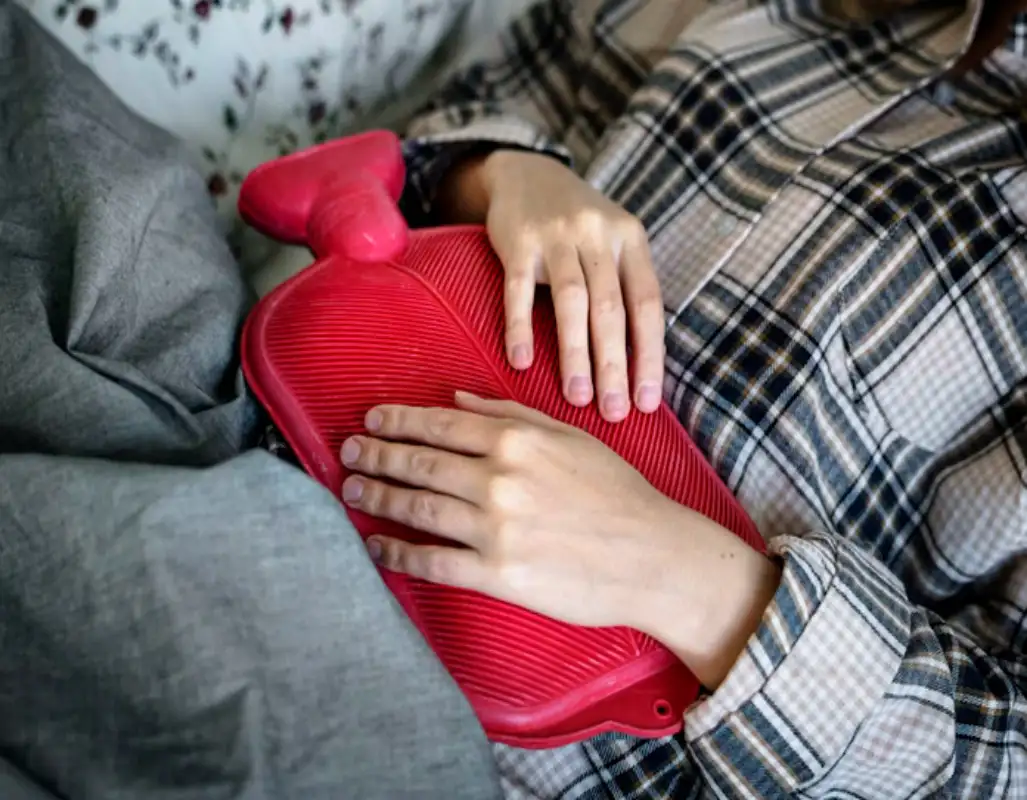
Period Problems : Causes, Symptoms and When to See a Doctor
Menstruation is a natural part of a woman’s reproductive life, but not every menstrual cycle is the same. While some women experience predictable monthly periods with only mild discomfort, others struggle with irregular cycles, severe cramps, excessive bleeding, or missed periods that interfere with daily life.
Period problems are among the most common reasons women visit a healthcare provider. Although many menstrual changes are harmless and temporary, others may signal an underlying medical condition that requires diagnosis and treatment.
Understanding what is normal—and what is not—can help women recognize warning signs early, seek appropriate medical care, and protect their reproductive health.
This comprehensive guide explores the most common period problems, their causes, symptoms, treatment options, and when it is important to consult a healthcare professional.
Understanding the Menstrual Cycle
The menstrual cycle is a monthly hormonal process that prepares the body for pregnancy.
A typical menstrual cycle lasts between 21 and 35 days, with bleeding lasting 2 to 7 days. During each cycle:
- Hormones stimulate egg development.
- One ovary releases an egg (ovulation).
- The uterine lining thickens.
- If pregnancy does not occur, hormone levels drop.
- The uterine lining sheds, resulting in a menstrual period.
Small variations from month to month are normal, particularly during adolescence and the years leading up to menopause.
What Are Period Problems?
Period problems refer to any menstrual changes that differ from a person’s usual cycle or cause significant discomfort.
These may involve:
- Changes in cycle length
- Heavy or light bleeding
- Severe pain
- Missed periods
- Spotting between periods
- Bleeding after menopause
- Mood changes linked to menstruation
Some menstrual problems resolve on their own, while others may indicate hormonal disorders, uterine conditions, or systemic illnesses.
Common Types of Period Problems
1. Irregular Periods
Irregular periods occur when menstrual cycles vary significantly in timing or frequency.
Examples include:
- Cycles shorter than 21 days
- Cycles longer than 35 days
- Skipped months
- Unpredictable bleeding
Occasional irregularity is common during puberty, after pregnancy, and during perimenopause. Persistent irregular cycles should be evaluated.
2. Heavy Menstrual Bleeding
Heavy menstrual bleeding involves excessive blood loss during menstruation.
Signs include:
- Soaking through a pad or tampon every hour for several hours
- Passing large blood clots
- Bleeding longer than seven days
- Needing double protection
- Waking during the night to change menstrual products
Heavy bleeding can lead to iron-deficiency anemia, causing fatigue, weakness, and shortness of breath.
3. Painful Periods (Dysmenorrhea)
Painful periods are one of the most common menstrual complaints.
Symptoms include:
- Cramping
- Lower abdominal pain
- Back pain
- Nausea
- Diarrhea
- Headache
- Fatigue
Primary dysmenorrhea is caused by uterine contractions during menstruation, while secondary dysmenorrhea may result from conditions such as endometriosis or fibroids.
4. Missed Periods (Amenorrhea)
Amenorrhea refers to the absence of menstruation.
Primary amenorrhea occurs when menstruation has not started by age 15 or within several years after breast development.
Secondary amenorrhea occurs when someone who previously had regular periods stops menstruating for three or more months.
Common causes include:
- Pregnancy
- Breastfeeding
- PCOS
- Thyroid disorders
- Significant weight loss
- Excessive exercise
- Chronic illness
- Stress
5. Spotting Between Periods
Light bleeding between menstrual periods is known as intermenstrual bleeding.
Possible causes include:
- Hormonal contraception
- Ovulation
- Infection
- Cervical polyps
- Pregnancy-related bleeding
- Hormonal imbalance
Any persistent or unexplained spotting should be assessed by a healthcare provider.
6. Premenstrual Syndrome (PMS)
PMS involves physical and emotional symptoms occurring one to two weeks before menstruation.
Common symptoms include:
- Mood swings
- Irritability
- Breast tenderness
- Bloating
- Food cravings
- Fatigue
- Acne
- Headaches
A more severe form, premenstrual dysphoric disorder (PMDD), can significantly affect mental health and daily functioning.
How Common Are Period Problems?
Menstrual disorders affect millions of women worldwide.
Research suggests that:
- Painful periods affect up to 90% of adolescents.
- Heavy menstrual bleeding affects approximately one in three women during their reproductive years.
- Polycystic ovary syndrome (PCOS) affects an estimated 6–13% of women of reproductive age.
- Endometriosis affects around 10% of women of reproductive age.
Despite their prevalence, many women delay seeking care due to stigma or the belief that severe symptoms are “normal.”
Why You Should Never Ignore Period Problems
Although menstrual discomfort is common, persistent or severe symptoms may indicate conditions such as:
- Endometriosis
- Uterine fibroids
- Polycystic ovary syndrome (PCOS)
- Thyroid disease
- Pelvic inflammatory disease (PID)
- Bleeding disorders
- Adenomyosis
- Uterine polyps
- Hormonal imbalances
- Rarely, cancers affecting the reproductive organs
Early diagnosis can improve treatment outcomes, preserve fertility, and reduce the risk of complications.
Key Takeaways
- Most women experience some menstrual symptoms during their reproductive years.
- Persistent pain, heavy bleeding, or irregular periods are not something you have to simply live with.
- Tracking your menstrual cycle can help identify changes and provide valuable information for your healthcare provider.
- Understanding what is normal for your body is the first step toward maintaining good reproductive health.
Period Problems: Causes, Symptoms and When to See a Doctor
Common Causes of Period Problems
Period problems can occur for many reasons, ranging from temporary lifestyle changes to chronic medical conditions. Hormones, reproductive health, nutrition, stress, and certain medications all influence the menstrual cycle. Identifying the underlying cause is essential for choosing the most effective treatment.
1. Hormonal Imbalances
Hormones regulate every stage of the menstrual cycle. Even small changes in hormone levels can affect when a period occurs, how long it lasts, and how heavy the bleeding is.
The primary hormones involved include:
- Estrogen
- Progesterone
- Follicle-stimulating hormone (FSH)
- Luteinizing hormone (LH)
When these hormones become unbalanced, women may experience:
- Irregular periods
- Missed periods
- Heavy bleeding
- Light bleeding
- Severe menstrual cramps
- Difficulty becoming pregnant
Causes of Hormonal Imbalances
Hormonal changes may result from:
- Stress
- Rapid weight loss
- Obesity
- Excessive exercise
- Thyroid disorders
- Polycystic ovary syndrome (PCOS)
- Certain medications
- Perimenopause
2. Polycystic Ovary Syndrome (PCOS)
PCOS is one of the most common hormonal disorders affecting women of reproductive age. It occurs when the ovaries produce higher-than-normal levels of androgens (male hormones), disrupting ovulation.
Common Symptoms
- Irregular periods
- Missed periods
- Acne
- Weight gain
- Excess facial hair
- Hair thinning
- Difficulty getting pregnant
- Darkened skin patches
Women with PCOS are also at increased risk of:
- Type 2 diabetes
- High blood pressure
- High cholesterol
- Sleep apnea
- Endometrial hyperplasia
Early diagnosis and management can reduce long-term health risks.
3. Endometriosis
Endometriosis develops when tissue similar to the lining of the uterus grows outside the uterus, commonly on the ovaries, fallopian tubes, or pelvic lining.
This tissue responds to hormonal changes each month, causing inflammation and pain.
Symptoms
- Severe menstrual cramps
- Chronic pelvic pain
- Pain during or after sexual intercourse
- Painful bowel movements
- Painful urination during menstruation
- Heavy periods
- Spotting between periods
- Infertility
Pain severity does not always reflect the extent of the disease. Some women with mild endometriosis experience severe pain, while others with extensive disease may have few symptoms.
4. Uterine Fibroids
Fibroids are non-cancerous growths that develop in or around the uterus. They are common, particularly during the reproductive years.
Many women have fibroids without symptoms. Larger fibroids may cause:
- Heavy menstrual bleeding
- Long-lasting periods
- Pelvic pressure
- Frequent urination
- Constipation
- Lower back pain
- Pain during intercourse
Treatment depends on the size, location, symptoms, and future pregnancy plans.
5. Adenomyosis
Adenomyosis occurs when the tissue that normally lines the uterus grows into the muscular wall of the uterus.
Symptoms often include:
- Heavy periods
- Painful periods
- Chronic pelvic pain
- Enlarged uterus
- Blood clots during menstruation
The condition is more common in women over age 30 and those who have had previous pregnancies.
6. Thyroid Disorders
The thyroid gland plays an important role in regulating metabolism and hormone production. Both hypothyroidism and hyperthyroidism can affect menstrual cycles.
Hypothyroidism
Women may experience:
- Heavy periods
- Long menstrual cycles
- Fatigue
- Weight gain
- Dry skin
- Depression
Hyperthyroidism
Possible symptoms include:
- Light or infrequent periods
- Weight loss
- Anxiety
- Rapid heartbeat
- Heat intolerance
- Tremors
Correcting thyroid hormone levels often improves menstrual regularity.
7. Stress
Emotional stress can temporarily disrupt the brain signals that regulate hormone production.
Examples include:
- Work-related stress
- Family problems
- Bereavement
- Anxiety disorders
- Depression
- Major life changes
High stress levels may cause:
- Missed periods
- Delayed ovulation
- Lighter periods
- More painful cramps
Reducing stress through healthy coping strategies may help restore normal menstrual patterns.
8. Significant Weight Changes
Body fat influences estrogen production.
Being Underweight
Women who are significantly underweight may experience:
- Missed periods
- Infertility
- Hormonal imbalance
- Low estrogen levels
Obesity
Excess body fat increases estrogen production and may contribute to:
- Heavy bleeding
- Irregular cycles
- PCOS
- Endometrial overgrowth
Maintaining a healthy weight supports hormonal balance and menstrual health.
9. Excessive Exercise
While regular physical activity benefits overall health, intense exercise without adequate nutrition can suppress ovulation.
Women at higher risk include:
- Marathon runners
- Elite athletes
- Ballet dancers
- Competitive gymnasts
Symptoms may include:
- Missed periods
- Low bone density
- Fatigue
- Reduced fertility
10. Pregnancy
A missed period is often the earliest sign of pregnancy.
Other early symptoms include:
- Nausea
- Breast tenderness
- Fatigue
- Frequent urination
- Food cravings
- Mild cramping
Any sexually active woman who misses a period should consider taking a pregnancy test.
11. Perimenopause
Perimenopause is the transition leading up to menopause, typically beginning in the 40s but sometimes earlier.
Hormone levels fluctuate during this time, causing:
- Irregular periods
- Heavy bleeding
- Hot flashes
- Night sweats
- Mood changes
- Vaginal dryness
- Sleep disturbances
Periods eventually stop completely after menopause.
12. Pelvic Inflammatory Disease (PID)
PID is an infection of the female reproductive organs, often caused by untreated sexually transmitted infections.
Symptoms include:
- Pelvic pain
- Fever
- Pain during sex
- Abnormal vaginal discharge
- Irregular bleeding
- Painful urination
Untreated PID can lead to infertility and chronic pelvic pain.
13. Bleeding Disorders
Some women naturally bleed more because of inherited clotting disorders such as von Willebrand disease.
Signs include:
- Heavy periods from adolescence
- Frequent nosebleeds
- Easy bruising
- Bleeding after dental procedures
- Family history of bleeding disorders
Women with unexplained heavy menstrual bleeding may benefit from testing for clotting disorders.
Risk Factors for Period Problems
Certain factors increase the likelihood of menstrual disorders.
These include:
- Family history of PCOS or endometriosis
- Obesity
- Being underweight
- Smoking
- Chronic stress
- Thyroid disease
- Diabetes
- Early puberty
- Certain medications (such as anticoagulants)
- Eating disorders
- High-intensity athletic training
Symptoms That Should Not Be Ignored
While mild menstrual discomfort is common, some symptoms require prompt medical evaluation.
Seek medical advice if you experience:
- Bleeding that soaks through one or more pads or tampons every hour for several consecutive hours
- Periods lasting longer than seven days
- Severe pelvic pain that is not relieved by over-the-counter pain medication
- Menstrual bleeding between periods or after menopause
- Fainting or dizziness during menstruation
- Symptoms of anemia, such as fatigue, weakness, or shortness of breath
- Fever with pelvic pain or unusual vaginal discharge
- Sudden changes in your menstrual cycle that persist for several months
How Doctors Diagnose Period Problems
Diagnosing menstrual disorders begins with a detailed medical history and physical examination.
Your healthcare provider may ask about:
- Age when periods began
- Cycle length and regularity
- Duration and amount of bleeding
- Pain severity
- Pregnancy history
- Current medications
- Contraceptive use
- Family history of reproductive disorders
Depending on your symptoms, additional tests may include:
- Pregnancy test
- Blood tests (including thyroid function and hormone levels)
- Iron studies to check for anemia
- Pelvic ultrasound
- Pap test (when appropriate)
- STI testing
- Endometrial biopsy (in selected cases)
- Hysteroscopy or MRI for further evaluation
These tests help identify conditions such as PCOS, fibroids, endometriosis, thyroid disorders, or other underlying causes.
Key Takeaways
- Hormonal imbalances, PCOS, endometriosis, fibroids, thyroid disorders, stress, and lifestyle factors are among the most common causes of period problems.
- Symptoms such as very heavy bleeding, severe pain, or persistent irregular cycles should not be ignored.
- An accurate diagnosis often requires a combination of medical history, physical examination, and targeted tests.
- Early evaluation can improve treatment outcomes and help prevent complications such as anemia, infertility, or chronic pelvic pain.
Period Problems: Causes, Symptoms and When to See a Doctor
Treatment Options for Period Problems
Treatment for period problems depends on the underlying cause, the severity of symptoms, your age, overall health, and whether you plan to become pregnant in the future. Some conditions improve with lifestyle changes, while others require medication or, in certain cases, surgery.
1. Medications
Pain Relievers
Nonsteroidal anti-inflammatory drugs (NSAIDs), such as ibuprofen or naproxen, are often recommended for menstrual cramps because they reduce the production of prostaglandins, chemicals that contribute to uterine contractions and pain.
NSAIDs may also help reduce menstrual blood loss in some women.
Note: Follow the dosing instructions on the label or as advised by your healthcare provider. People with certain medical conditions (such as stomach ulcers, kidney disease, or some heart conditions) may need alternative options.
Hormonal Birth Control
Hormonal contraceptives can help regulate the menstrual cycle and relieve symptoms of several menstrual disorders.
Options include:
- Combined birth control pills
- Progestin-only pills
- Hormonal intrauterine device (IUD)
- Contraceptive patch
- Vaginal ring
- Birth control injection
- Contraceptive implant
These treatments may help:
- Reduce heavy bleeding
- Relieve painful periods
- Regulate irregular cycles
- Improve symptoms of endometriosis
- Manage PCOS-related irregular periods
A healthcare professional can help determine which option is appropriate based on your health history and reproductive goals.
Hormone Therapy
If hormone imbalances contribute to menstrual problems, treatment may include hormone therapy tailored to the underlying condition.
Examples include:
- Progesterone therapy
- Estrogen therapy (in selected situations)
- Menopausal hormone therapy for certain people during the menopause transition
Hormone therapy should always be used under medical supervision because benefits and risks vary from person to person.
Medications for Heavy Menstrual Bleeding
Depending on the cause, treatment may include:
- Hormonal medications
- Tranexamic acid (to reduce menstrual blood loss)
- NSAIDs
- Iron supplements if iron deficiency anemia is present
Iron Supplements
Women with heavy menstrual bleeding may develop iron deficiency anemia.
Symptoms include:
- Extreme fatigue
- Pale skin
- Weakness
- Dizziness
- Shortness of breath
- Headaches
Iron supplements may be recommended after evaluation by a healthcare professional. Your provider may also recommend iron-rich foods such as lean meats, beans, lentils, spinach, and fortified cereals.
2. Treatment for Specific Conditions
PCOS
Treatment often focuses on managing symptoms and reducing long-term health risks.
Management may include:
- Weight management (if appropriate)
- Regular physical activity
- Hormonal contraception to regulate cycles
- Medications to improve insulin sensitivity in selected cases
- Fertility treatments for those trying to conceive
Endometriosis
Treatment depends on symptom severity and reproductive goals.
Options may include:
- Pain-relieving medications
- Hormonal therapy
- Laparoscopic surgery to remove endometriosis tissue in selected cases
- Fertility treatment when infertility is a concern
Fibroids
Many fibroids do not require treatment if they are not causing symptoms.
When treatment is needed, options may include:
- Medications to reduce bleeding or shrink fibroids
- Minimally invasive procedures
- Surgical removal of fibroids (myomectomy)
- Hysterectomy in selected cases for severe symptoms and when childbearing is complete
The best treatment depends on the size and location of the fibroids, symptom severity, and personal preferences.
Thyroid Disorders
Treating an overactive or underactive thyroid often restores normal menstrual patterns. Your healthcare provider may prescribe medication and monitor thyroid hormone levels over time.
Lifestyle Changes That Support Menstrual Health
Healthy lifestyle habits can improve menstrual health and reduce the severity of some symptoms.
Eat a Balanced Diet
A nutritious diet supports hormone production and overall well-being.
Focus on:
- Fruits and vegetables
- Whole grains
- Lean proteins
- Healthy fats
- Calcium-rich foods
- Vitamin D sources
- Iron-rich foods, especially if you have heavy periods
Limiting highly processed foods, excess added sugars, and excessive alcohol may also support overall health.
Stay Physically Active
Regular exercise may help:
- Reduce menstrual cramps
- Improve mood
- Support healthy body weight
- Improve sleep quality
- Lower stress
Aim for regular moderate activity most days of the week unless your healthcare provider advises otherwise.
Manage Stress
Stress can affect hormone regulation and menstrual cycles.
Helpful stress-management techniques include:
- Mindfulness or meditation
- Deep breathing exercises
- Yoga or stretching
- Spending time outdoors
- Talking with trusted friends or family
- Counseling or therapy if stress becomes overwhelming
Prioritize Sleep
Adults generally benefit from 7–9 hours of quality sleep each night. Good sleep supports hormone regulation, energy levels, and mental health.
Maintain a Healthy Weight
Both underweight and overweight individuals may experience menstrual irregularities. If weight changes are affecting your menstrual cycle, discuss safe and sustainable strategies with your healthcare provider or a registered dietitian.
Home Remedies for Mild Menstrual Symptoms
Home care may help relieve mild symptoms, but it should not replace medical evaluation when symptoms are severe or persistent.
Some strategies include:
- Applying a heating pad or hot water bottle to the lower abdomen
- Taking a warm bath
- Gentle stretching or yoga
- Staying hydrated
- Eating small, balanced meals
- Limiting caffeine if it worsens symptoms
- Getting adequate rest
If pain is severe, worsening, or interfering with daily life, seek medical advice rather than relying solely on home remedies.
Can Period Problems Affect Fertility?
Some menstrual disorders can affect fertility, particularly if they interfere with ovulation or damage the reproductive organs.
Conditions that may impact fertility include:
- Polycystic ovary syndrome (PCOS)
- Endometriosis
- Pelvic inflammatory disease (PID)
- Certain thyroid disorders
- Premature ovarian insufficiency
Not everyone with these conditions experiences infertility, and many effective treatments are available. Early evaluation is especially important if you have been trying to conceive without success.
When Should You See a Doctor?
Many menstrual changes are not emergencies, but some symptoms warrant prompt medical attention.
Schedule an appointment if you have:
- Periods that suddenly become much heavier or more painful
- Bleeding lasting longer than seven days
- Cycles that are consistently shorter than 21 days or longer than 35 days
- Missed periods that are not explained by pregnancy, breastfeeding, or menopause
- Bleeding between periods
- Pain that interferes with school, work, or daily activities
- Symptoms of anemia, such as fatigue, weakness, or dizziness
- Difficulty becoming pregnant after trying for an appropriate period based on your age and circumstances
- New or worsening menstrual symptoms after age 40
- Bleeding after menopause
When Is It an Emergency?
Seek immediate medical care if you experience:
- Extremely heavy bleeding that rapidly soaks menstrual products and is accompanied by weakness, dizziness, or fainting
- Severe pelvic or abdominal pain that is sudden or unbearable
- Fever with pelvic pain and foul-smelling vaginal discharge
- Signs of pregnancy with severe pain or heavy bleeding (which could indicate an ectopic pregnancy or miscarriage)
- Loss of consciousness
- Chest pain or difficulty breathing
These symptoms require urgent evaluation and should not be ignored.
Preventing Period Problems
Not all menstrual disorders can be prevented, but healthy habits may reduce the risk of some issues.
Practical steps include:
- Maintain a balanced diet
- Stay physically active
- Manage stress
- Get enough sleep
- Attend routine gynecologic checkups
- Follow recommended cervical cancer screening guidelines
- Practice safer sex to reduce the risk of sexually transmitted infections
- Keep track of your menstrual cycle using a calendar or app
Tracking your cycle can help you notice changes early and provide valuable information to your healthcare provider if concerns arise.
Key Takeaways
- Treatment should be tailored to the underlying cause of your symptoms.
- Lifestyle changes can complement medical treatment but should not replace professional care when symptoms are significant.
- Persistent heavy bleeding, severe pain, irregular cycles, or bleeding after menopause should always be evaluated by a healthcare professional.
- Early diagnosis and appropriate treatment can improve quality of life, protect fertility in some cases, and reduce the risk of complications.
Period Problems: Causes, Symptoms and When to See a Doctor (Part 4)
Frequently Asked Questions (FAQ)
1. What is considered a normal menstrual cycle?
A typical menstrual cycle lasts 21 to 35 days, with menstrual bleeding lasting 2 to 7 days. Some variation is normal, especially during adolescence and the years leading up to menopause.
2. Why are my periods irregular?
Irregular periods can result from:
- Stress
- Pregnancy
- Breastfeeding
- Polycystic ovary syndrome (PCOS)
- Thyroid disorders
- Significant weight changes
- Excessive exercise
- Perimenopause
- Certain medications
If irregular cycles persist for several months or are accompanied by other symptoms, consult a healthcare professional.
3. Are painful periods normal?
Mild cramping is common. However, severe pain that disrupts school, work, or daily activities is not considered normal and may indicate conditions such as endometriosis or adenomyosis.
4. What causes heavy menstrual bleeding?
Heavy menstrual bleeding may be caused by:
- Uterine fibroids
- Hormonal imbalances
- Adenomyosis
- Bleeding disorders
- Endometrial polyps
- Certain medications
- Thyroid disease
- Some types of contraception
A medical evaluation can help identify the cause.
5. Can stress delay my period?
Yes. Emotional or physical stress can affect the hormones that regulate ovulation, potentially causing delayed or missed periods.
6. Can period problems affect fertility?
Some conditions associated with menstrual problems—such as PCOS, endometriosis, or pelvic inflammatory disease—can affect fertility. Early diagnosis and treatment may improve reproductive outcomes.
7. Should I track my menstrual cycle?
Yes. Tracking your cycle can help you recognize patterns, identify changes, and provide useful information for your healthcare provider. Many smartphone apps and calendars can be used for this purpose.
8. When should I seek emergency medical care?
Seek immediate medical attention if you experience:
- Very heavy bleeding accompanied by dizziness or fainting
- Severe, sudden pelvic pain
- Fever with pelvic pain and abnormal vaginal discharge
- Heavy bleeding during pregnancy
- Signs of shock, such as confusion, rapid heartbeat, or loss of consciousness
9. Can diet improve menstrual health?
A balanced diet rich in fruits, vegetables, whole grains, lean proteins, and iron-rich foods supports overall health and may help manage symptoms. If you have heavy menstrual bleeding, your healthcare provider may recommend iron supplements after confirming iron deficiency.
10. Can birth control help with period problems?
Hormonal contraceptives may help regulate menstrual cycles, reduce heavy bleeding, relieve painful periods, and manage conditions such as PCOS or endometriosis. The most appropriate option depends on your medical history and goals, so discuss it with a healthcare professional.
Conclusion
Period problems are common, but they should never be dismissed as something you simply have to endure. While occasional changes in your menstrual cycle can be part of normal life, persistent symptoms such as heavy bleeding, severe pain, irregular periods, or bleeding after menopause deserve medical evaluation.
Many menstrual disorders—including PCOS, endometriosis, uterine fibroids, thyroid disease, and hormonal imbalances—are treatable. Early diagnosis and appropriate care can improve quality of life, protect reproductive health, and reduce the risk of complications such as anemia or infertility.
Maintaining a healthy lifestyle, tracking your menstrual cycle, and attending regular healthcare appointments are practical steps that can support menstrual and overall well-being. If you notice changes that are unusual for you or symptoms that interfere with your daily life, don’t hesitate to seek advice from a qualified healthcare professional.
Evidence-Based References
The information in this article is supported by guidance and resources from reputable organizations, including:
- American College of Obstetricians and Gynecologists (ACOG) – Menstrual Health, Heavy Menstrual Bleeding, Dysmenorrhea, PCOS, Endometriosis.
- World Health Organization (WHO) – Women’s health and reproductive health resources.
- National Health Service (NHS, UK) – Menstrual problems, heavy periods, painful periods, irregular periods.
- Mayo Clinic – Menstrual disorders, endometriosis, fibroids, PCOS, thyroid disease.
- Office on Women’s Health (U.S. Department of Health & Human Services) – Menstrual cycle, menstrual disorders, and reproductive health.
- International Federation of Gynecology and Obstetrics (FIGO) – Abnormal uterine bleeding classification and clinical guidance.
- Peer-reviewed articles from journals such as:
- The Lancet
- The BMJ
- Obstetrics & Gynecology
- Human Reproduction
- Fertility and Sterility