– Preparing in Advance – Using Healthy Ingredients – Portioning Properly
Common Mistakes to Avoid in Weight Loss Lunches
– Skipping Protein – Overloading on Carbs – Not Including Enough Fiber
FAQs About Easy Lunch Ideas for Weight Loss
– What is the best lunch for weight loss? – Can I eat carbs and still lose weight? – How many calories should my lunch be? – Are meal replacement shakes a good lunch option? – Can I meal prep for an entire week? – How do I make my weight-loss lunches more filling?
Conclusion
– Final Thoughts – Encouragement to Stick to Healthy Eating
Introduction
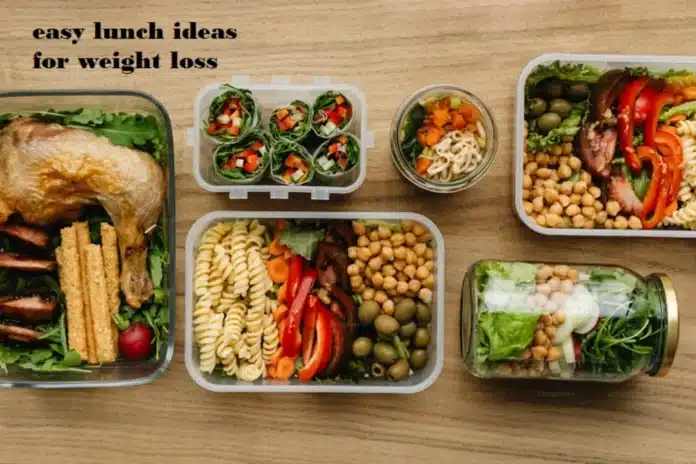
Eating a healthy lunch is a crucial part of any weight loss journey. A well-balanced lunch keeps your metabolism running, prevents cravings, and ensures you have enough energy throughout the day. However, finding easy lunch ideas for weight loss that are both nutritious and delicious can be a challenge.
In this article, we’ll share 10+ easy lunch ideas that are simple to prepare, packed with nutrients, and perfect for anyone looking to shed extra pounds while enjoying their meals.
Key Components of a Healthy Weight Loss Lunch
Before we dive into the recipes, let’s break down what makes a lunch meal effective for weight loss.
1. Balanced Macronutrients
A good weight-loss lunch should include:
Protein (chicken, tofu, eggs, beans) to keep you full
Healthy Fats (avocado, nuts, olive oil) to support metabolism
Complex Carbs (quinoa, brown rice, sweet potatoes) for energy
2. Portion Control
Eating too much, even of healthy foods, can hinder weight loss. Use portion control techniques like:
Using smaller plates
Measuring ingredients before serving
Eating mindfully to recognize fullness cues
3. Nutrient-Dense Foods
Choose whole, unprocessed foods that are rich in fiber, vitamins, and minerals. Avoid high-calorie, low-nutrient options like processed foods and sugary sauces.
10+ Easy Lunch Ideas for Weight Loss
Here are 10+ delicious, easy-to-make lunches that will keep you satisfied while supporting your weight loss goals.
1. Grilled Chicken & Quinoa Bowl
Ingredients:
1 cup cooked quinoa
1 grilled chicken breast
½ cup steamed broccoli
¼ avocado
Lemon dressing
Why It’s Great: High in protein and fiber, this meal keeps you full for hours and helps stabilize blood sugar levels.
2. Avocado & Turkey Wrap
Ingredients:
1 whole wheat wrap
3 oz lean turkey slices
½ avocado, mashed
Lettuce and tomato slices
Mustard for flavor
Why It’s Great: This wrap is low in carbs and high in protein, making it perfect for a quick weight-loss meal.
3. Spinach & Chickpea Salad
Ingredients:
2 cups fresh spinach
½ cup chickpeas
¼ cup feta cheese
Olive oil & lemon dressing
Why It’s Great: Packed with fiber and plant-based protein, this salad is both light and filling.
4. Greek Yogurt & Berry Parfait
Ingredients:
1 cup Greek yogurt
½ cup mixed berries
1 tbsp chia seeds
Why It’s Great: A high-protein, low-calorie option that satisfies sweet cravings.
5. Zucchini Noodles with Pesto
Ingredients:
1 cup spiralized zucchini
2 tbsp homemade pesto
½ cup grilled shrimp
Why It’s Great: A low-carb pasta alternative that’s full of flavor and nutrients.
6. Tuna & Avocado Stuffed Bell Peppers
Ingredients:
1 bell pepper, halved
½ avocado, mashed
½ cup canned tuna
Why It’s Great: A no-cook, protein-rich lunch that’s great for weight loss.
7. Egg Salad Lettuce Wraps
Ingredients:
2 boiled eggs, mashed
1 tbsp Greek yogurt
Romaine lettuce leaves
Why It’s Great: A healthy twist on traditional egg salad that’s low in calories.
8. Lentil Soup with Whole Wheat Toast
Ingredients:
1 cup lentil soup
1 slice whole wheat toast
Why It’s Great: Packed with fiber and protein, this meal keeps you full longer.
9. Brown Rice & Salmon Bowl
Ingredients:
½ cup brown rice
3 oz grilled salmon
Steamed veggies
Why It’s Great: A heart-healthy and omega-3 rich meal.
10. Cottage Cheese & Fruit Plate
Ingredients:
1 cup cottage cheese
½ cup fresh berries
1 tbsp flaxseeds
Why It’s Great: A high-protein, nutrient-dense lunch that’s easy to prepare.
Meal Prep Tips for Easy Weight Loss Lunches
Prepare ingredients in advance (chop veggies, cook proteins)
Use portioned containers to avoid overeating
Keep healthy snacks ready to prevent unhealthy cravings
Common Mistakes to Avoid in Weight Loss Lunches
🚫 Skipping Protein – Leads to cravings later 🚫 Overloading on Carbs – Can cause energy crashes 🚫 Not Enough Fiber – Slows digestion and makes you hungrier
FAQs About Easy Lunch Ideas for Weight Loss
1. What is the best lunch for weight loss?
A balanced meal with lean protein, healthy fats, and fiber-rich carbs is best.
2. Can I eat carbs and still lose weight?
Yes! Focus on whole grains like quinoa, brown rice, and oats.
3. How many calories should my lunch be?
For weight loss, aim for 300-500 calories per meal.
4. Are meal replacement shakes a good lunch option?
They can be, but whole foods are usually a better choice.
5. Can I meal prep for an entire week?
Yes! Prepare lunches in bulk and store them properly.
Conclusion
Eating healthy doesn’t have to be complicated! With these easy lunch ideas for weight loss, you can enjoy delicious, satisfying meals while reaching your fitness goals.
50+ Lose Weight Meal Ideas for a Healthy Lifestyle
Introduction
Losing weight is not just about counting calories—it’s about eating the right foods in the right portions. If you’re looking for lose weight meal ideas, this guide will help you make smart food choices that support weight loss without compromising on taste. Whether you’re following a specific diet or just looking for balanced meals, we’ve got you covered with over 50 delicious and healthy meal ideas.
Key Principles of Weight Loss Meals
Before diving into the meal ideas, it’s essential to understand the fundamentals of weight loss meals.
Calorie Deficit – You must consume fewer calories than you burn to lose weight.
Balanced Nutrition – Your meals should include protein, healthy fats, fiber, and complex carbohydrates.
Portion Control – Even healthy foods can lead to weight gain if eaten in excess.
High Protein & Fiber – Protein keeps you full, while fiber aids digestion and satiety.
Limit Processed Foods – Focus on whole, unprocessed ingredients.
Now, let’s explore 50+ weight loss meal ideas for every meal of the day!
Breakfast Ideas for Weight Loss
A healthy breakfast kick-starts metabolism and keeps you full longer.
1. High-Protein Breakfasts
Scrambled eggs with spinach and feta
Greek yogurt with almonds and chia seeds
Cottage cheese with mixed berries
Protein smoothie with banana, oats, and whey protein
2. Low-Carb Breakfasts
Avocado and eggs on whole-grain toast
Omelet with mushrooms, peppers, and cheese
Smoked salmon with cream cheese on a low-carb wrap
3. Fiber-Rich Breakfasts
Oatmeal with flaxseeds and blueberries
Chia pudding with almond milk and strawberries
Whole grain toast with peanut butter and banana
Lunch Ideas for Weight Loss
Lunch should be filling but light to prevent post-lunch sluggishness.
4. Lean Protein-Based Lunches
Grilled chicken salad with balsamic vinaigrette
Turkey and avocado wrap with whole wheat tortilla
Baked salmon with quinoa and roasted veggies
5. Meal-Prep Friendly Lunches
Quinoa and black bean bowl
Chickpea and spinach curry with brown rice
Roasted tofu with stir-fried vegetables
Dinner Ideas for Weight Loss
Dinner should be light yet satisfying to avoid late-night cravings.
6. Light and Filling Dinners
Grilled shrimp with asparagus and quinoa
Turkey chili with black beans
Stir-fried tofu with broccoli and sesame sauce
7. Low-Calorie Dinner Recipes
Zucchini noodles with pesto and cherry tomatoes
Baked cod with lemon and steamed greens
Lentil soup with kale and carrots
Snack Ideas for Weight Loss
Snacking helps curb hunger between meals without overindulging.
8. Healthy Snack Swaps
Almonds instead of chips
Greek yogurt instead of ice cream
Popcorn (air-popped) instead of fries
9. Protein-Packed Snacks
Hard-boiled eggs
Peanut butter with apple slices
Roasted chickpeas
Vegetarian Weight Loss Meals
Vegetarian meals can be high in protein and fiber, aiding weight loss.
10. High-Protein Vegetarian Meals
Lentil and quinoa stuffed peppers
Chickpea and spinach stir-fry
Tofu and vegetable curry
Keto-Friendly Weight Loss Meals
For those following a low-carb diet.
11. Low-Carb, High-Fat Keto Meals
Egg muffins with cheese and bacon
Cauliflower rice stir-fry
Keto cheeseburger lettuce wraps
Mediterranean Diet Meal Ideas
This heart-healthy diet aids weight loss sustainably.
Stay Hydrated – Sometimes thirst is mistaken for hunger.
Mindful Eating – Chew slowly and avoid distractions.
FAQs on Lose Weight Meal Ideas
1. What is the best breakfast for weight loss?
A high-protein, fiber-rich breakfast like eggs or oatmeal.
2. Can I eat rice while losing weight?
Yes, but opt for brown or cauliflower rice for more fiber.
3. Are smoothies good for weight loss?
Yes, if made with whole fruits, protein, and healthy fats.
4. How many meals should I eat per day?
3 balanced meals with 1-2 healthy snacks.
5. What are good late-night snacks for weight loss?
Greek yogurt, almonds, or a banana with peanut butter.
Conclusion
Losing weight doesn’t mean depriving yourself. With these lose weight meal ideas, you can enjoy tasty, nutritious meals while achieving your goals. Try incorporating these meals into your diet and watch the pounds shed away naturally!
Vitamin D, often called the “sunshine vitamin,” is a fat-soluble vitamin essential for many bodily functions. Unlike most vitamins, vitamin D functions more like a hormone and is produced by the body when the skin is exposed to sunlight. It plays a crucial role in bone health, immune support, and overall well-being.
Despite its importance, vitamin D deficiency is common worldwide due to lifestyle factors such as limited sun exposure and poor diet. Understanding the benefits of vitamin D and how to maintain optimal levels can significantly improve your health.
Types of Vitamin D
There are two primary forms of vitamin D:
Vitamin D2 (Ergocalciferol): Found in plant-based sources such as mushrooms and fortified foods.
Vitamin D3 (Cholecalciferol): Found in animal-based foods like fatty fish, egg yolks, and produced by the skin when exposed to sunlight.
Vitamin D3 is considered more effective in raising and maintaining vitamin D levels in the body compared to vitamin D2.
How Vitamin D is Absorbed in the Body
Vitamin D is absorbed through:
Sunlight exposure – UVB rays trigger vitamin D production in the skin.
Supplements – Used when dietary intake or sun exposure is insufficient.
Once absorbed, vitamin D undergoes two conversion processes—first in the liver and then in the kidneys—before becoming its active form, calcitriol. This active form helps regulate calcium and phosphate levels, which are crucial for healthy bones, teeth, and overall function.
Top 10 Health Benefits of Vitamin D
1. Strengthens Bones and Teeth
Vitamin D plays a crucial role in calcium absorption, making it essential for strong bones and teeth. It helps prevent conditions like osteoporosis, fractures, and rickets in children.
2. Boosts Immune System
Vitamin D enhances the immune system by stimulating the production of antimicrobial proteins that help fight infections. People with adequate vitamin D levels have a lower risk of developing colds, flu, and respiratory infections.
3. Reduces Risk of Chronic Diseases
Studies suggest that vitamin D may reduce the risk of chronic diseases, including multiple sclerosis, rheumatoid arthritis, and certain types of cancer such as breast, prostate, and colon cancer.
4. Supports Mental Health
Vitamin D is linked to improved mood and mental health. Low levels of vitamin D are associated with depression, anxiety, and cognitive decline. It plays a role in serotonin production, a hormone responsible for mood regulation.
5. Improves Muscle Function
Vitamin D is essential for muscle function and strength. Deficiency in vitamin D can lead to muscle weakness, increasing the risk of falls and injuries, particularly in older adults.
6. Aids in Weight Loss
Research suggests that adequate vitamin D levels can help regulate metabolism and support weight loss. It plays a role in controlling appetite and reducing fat accumulation in the body.
7. Enhances Heart Health
Vitamin D supports cardiovascular health by regulating blood pressure and reducing inflammation. Studies show that individuals with sufficient vitamin D levels have a lower risk of heart disease and stroke.
8. Promotes Skin Health
Vitamin D contributes to healthy skin by supporting cell growth and repair. It may help manage conditions like eczema, psoriasis, and acne by reducing inflammation and promoting healing.
9. Supports Diabetes Management
Vitamin D plays a role in insulin production and glucose metabolism. Maintaining adequate levels may reduce the risk of type 2 diabetes and improve blood sugar control.
10. Reduces Inflammation
Vitamin D has anti-inflammatory properties that help reduce chronic inflammation linked to various health conditions, including autoimmune diseases, arthritis, and metabolic syndrome.
Best Sources of Vitamin D
Vitamin D can be obtained from various sources, including:
Sunlight exposure (10–30 minutes daily, depending on skin type and location)
Fatty fish (salmon, mackerel, sardines, and tuna)
Egg yolks
Fortified foods (milk, orange juice, cereals)
Mushrooms (exposed to sunlight)
Cod liver oil
Symptoms of Vitamin D Deficiency
Common symptoms of vitamin D deficiency include:
Fatigue and weakness
Bone and joint pain
Frequent illnesses or infections
Depression and mood swings
Hair loss
Slow wound healing
Severe deficiency can lead to rickets in children and osteoporosis in adults.
Ulike Hair Removal : The Ultimate Guide to Painless and Effective IPL Technology
Hair removal has always been a crucial aspect of personal grooming, but traditional methods like shaving, waxing, and plucking can be painful, time-consuming, and ineffective in the long run. Ulike hair removal devices offer a revolutionary solution using Intense Pulsed Light (IPL) technology to provide long-lasting results.
In this guide, we’ll explore everything about Ulike hair removal, including its features, benefits, how it works, and why it stands out from other hair removal methods.
Table of Contents
What is Ulike Hair Removal?
How Does Ulike IPL Technology Work?
Benefits of Using Ulike Hair Removal Devices
Ulike vs. Other Hair Removal Methods
How to Use Ulike Hair Removal Devices Safely
Who Can Use Ulike Hair Removal?
Areas Where Ulike Hair Removal Can Be Used
How Long Does It Take to See Results?
Is Ulike Hair Removal Safe?
Common Myths About IPL Hair Removal
Ulike Hair Removal Side Effects and How to Prevent Them
Ulike Hair Removal Device Models and Their Features
Ulike Customer Reviews and User Experiences
Frequently Asked Questions About Ulike Hair Removal
Conclusion
1. What is Ulike Hair Removal?
Ulike is a leading brand in the IPL (Intense Pulsed Light) hair removal industry, offering advanced at-home hair removal devices. It is designed to reduce hair growth effectively and painlessly over time, providing a professional experience without the need for salon visits.
Key Features of Ulike Hair Removal:
Uses IPL technology for long-term hair reduction
Offers multiple intensity levels for different skin types
Pain-free and skin-friendly design
Safe for home use and easy to operate
2. How Does Ulike IPL Technology Work?
Ulike devices use Intense Pulsed Light (IPL) technology, which emits light pulses that are absorbed by the hair follicles. This process heats up the melanin in the follicles, inhibiting future hair growth.
Step-by-Step Process:
Light Emission – The device emits flashes of light targeting melanin in the hair.
Heat Absorption – The light converts into heat, damaging the hair root.
Hair Reduction – Over time, hair becomes thinner and stops growing.
3. Benefits of Using Ulike Hair Removal Devices
Using a Ulike device offers several advantages over traditional hair removal methods:
✅ Painless and Comfortable – Unlike waxing, IPL treatments are gentle on the skin. ✅ Long-Lasting Results – Reduces hair growth permanently over time. ✅ Cost-Effective – One-time investment compared to expensive salon treatments. ✅ Time-Saving – Treat large areas quickly at home. ✅ Safe and FDA Approved – Designed with safety features to prevent burns and irritation.
4. Ulike vs. Other Hair Removal Methods
Method
Pain Level
Effectiveness
Cost
Time Required
Shaving
No pain
Temporary
Low
Daily/Weekly
Waxing
High pain
Medium
Moderate
Bi-Weekly
Laser
Low pain
Permanent
High
Monthly
Ulike IPL
Painless
Long-lasting
Moderate
Weekly initially, then Monthly
Ulike IPL stands out as an effective and pain-free alternative to traditional methods.
5. How to Use Ulike Hair Removal Devices Safely
To get the best results and ensure safety, follow these steps:
Shave the area before using the device to target hair roots.
Choose the correct intensity level based on your skin tone.
Wear protective glasses to shield your eyes from the IPL flashes.
Use the device in a circular motion for even coverage.
Apply soothing gel after the session to keep skin hydrated.
6. Who Can Use Ulike Hair Removal?
Ulike IPL devices are suitable for most skin tones and hair types except for very dark skin and light-colored hair (gray, red, or blonde), which do not absorb IPL effectively.
Skin Tone Compatibility Chart:
✅ Light to Medium Skin Tones – Most effective
⚠️ Dark Skin Tones – May not be suitable due to high melanin absorption
7. Areas Where Ulike Hair Removal Can Be Used
You can safely use Ulike devices on:
Face (upper lip, chin)
Arms and Legs
Underarms
Bikini Line
Avoid using IPL on tattoos, moles, or extremely sensitive areas.
8. How Long Does It Take to See Results?
Results vary by individual, but most users notice:
30% hair reduction after 3-4 weeks
Visible hair thinning by week 6-8
Significant reduction within 12 weeks
9. Is Ulike Hair Removal Safe?
Yes! Ulike devices have built-in safety features such as skin sensors and cooling technology to prevent burns and irritation. Always follow manufacturer guidelines for the best results.
10. Common Myths About IPL Hair Removal
❌ IPL is the same as laser hair removal. (IPL uses broad-spectrum light, whereas lasers use a focused beam.) ❌ IPL causes skin damage. (Ulike IPL is FDA-cleared and safe.) ❌ Results are immediate. (It takes several sessions for noticeable hair reduction.)
11. Ulike Hair Removal Side Effects and How to Prevent Them
Minor side effects may include:
Redness or slight irritation (disappears within hours)
Temporary skin sensitivity (apply moisturizer)
Darkening of the skin (rare, avoid sun exposure)
12. Ulike Hair Removal Device Models and Their Features
Ulike offers several models, including:
Ulike Air 3 – Lightweight, efficient cooling system
Ulike Sapphire Air+ – Advanced IPL with sapphire cooling
13. Ulike Customer Reviews and User Experiences
Many users praise Ulike for: 🌟 Painless treatment 🌟 Visible results in weeks 🌟 Easy home use
14. Frequently Asked Questions About Ulike Hair Removal
1. How often should I use Ulike IPL?
Use 2-3 times a week for the first 4 weeks, then reduce frequency as hair growth slows.
It significantly reduces hair growth, but maintenance sessions may be needed.
5. Can men use Ulike IPL?
Yes, it’s effective for men on areas like the chest, back, and arms.
15. Conclusion
Ulike hair removal devices provide an efficient, painless, and cost-effective solution for long-term hair reduction. With consistent use, you can achieve smooth, hair-free skin from the comfort of your home.
2025 is all about bold, creative, and transformative nail colors that let you express your unique style.
From futuristic finishes to timeless shades, these trends are set to redefine how we think about nail polish.
Whether you’re into subtle elegance or striking statements, these colors will make your nails the ultimate accessory.
1. Color Changing
Add a touch of magic to your nails with color-changing polishes that transform with temperature or light.
Perfect for anyone looking to make a dynamic style statement.
2. Color-Changing Crystal
For an extra sparkle, try the color-changing crystal effect. This dazzling option combines shine and versatility,
giving you nails that truly stand out.
3. Color Room
The Color Room trend offers vibrant shades and precise gel liners for artistic expression. Ideal for creating
intricate designs and bold patterns.
4. White Color
Classic and versatile, white nails are making a comeback with a modern twist. Whether worn matte or glossy,
this timeless choice exudes sophistication.
5. Sunset Peach
Embrace warmth and elegance with Sunset Peach, a stunning blend of soft peach tones reminiscent of a dreamy sunset.
A must-have for every season.
The holiday season is the perfect time to showcase festive and glamorous nail designs. Whether you’re looking for sparkling gel polishes, versatile nail art palettes, or salon-quality tips, Christmas nails are all about spreading joy and celebrating in style. Treat yourself or find the perfect gift for a nail art lover with these top picks designed to make your nails shine this holiday season!
Christmas Nail Products
Festive Christmas Nail Products
Get ready for the holidays with these stunning nail products! Perfect as gifts or for treating yourself, these options will keep your nails festive and beautiful all season long.
1. Festival Carnival / 5 Colors Gel Polish With 2 Gel Liner
Celebrate the season with this vibrant gel polish set featuring 5 colors and 2 gel liners. It’s the perfect Christmas gift for nail enthusiasts!
2. Palette / 36 Colors Perfect Christmas Gift
This palette features 36 stunning colors, offering endless possibilities for creating festive nail designs. A wonderful gift for the holiday season!
3. Beetles 12 Sizes Gel Nail Tips Long Coffin Gel Nail Tips 288Pcs
Achieve salon-quality nails at home with these long coffin gel nail tips. With 12 sizes and 288 pieces, you’ll have everything you need for a flawless manicure.
4. Mystic Wonderland 36 Colors Perfect Gift Gel Polish
Transform your nails into a winter wonderland with this gel polish set. It features 36 colors, making it a delightful gift for the holidays!
5. Treasure Box/ 36 Cat Eye Nail Gel Polish Colors
Unleash creativity with this treasure box featuring 36 cat-eye nail gel polish colors. Comes with a base, top coat, and gift box for the ultimate manicure experience.
Treasure Box/ 36 Cat Eye Nail Gel Polish Colors with Base Top Coat and Gift Box Fireworks Nail – 5ml/Each Gel Colors
6. Treasure Box/ 36 Cat Eye Nail Gel Polish Colors (Duplicate)
Another version of the stunning treasure box for nail art lovers. Ideal for gifting or creating mesmerizing nail designs for the festive season!
Treasure Box/ 36 Cat Eye Nail Gel Polish Colors with Base Top Coat and Gift Box Fireworks Nail – 5ml/Each Gel Colors
In recent years, GLP-1 medications like Ozempic, Mounjaro, and Trulicity have taken the health and wellness world by storm. Originally developed for managing type 2 diabetes, these medications have gained widespread popularity as a powerful tool for weight loss. With their ability to reduce appetite and slow down digestion, GLP-1 medications are transforming the way people approach weight management. However, while these medications can help you shed pounds, they also come with specific dietary considerations that must be carefully addressed to maximize their effectiveness.
This is where the GLP-1 diet comes into play. Tailored specifically to complement the effects of GLP-1 medications, this diet focuses on meeting your body’s nutritional needs while promoting sustainable weight loss. A GLP-1 nutrition plan emphasizes the consumption of nutrient-dense foods that provide essential vitamins, minerals, proteins, and healthy fats, while helping you manage your reduced appetite. Understanding how to balance these elements within the confines of a reduced caloric intake is crucial for success.
Whether you’re new to GLP-1 medications or looking to optimize your approach, a well-structured diet with GLP-1 medications can ensure that you not only lose weight but also nourish your body for long-term health. By focusing on the right foods and adopting a thoughtful nutritional strategy, you can support your weight loss goals and maintain a healthy, energized lifestyle throughout your journey.
What is the GLP-1 Diet ?
GLP-1 medications, such as Ozempic, Mounjaro, and Trulicity, have become increasingly popular for their role in weight management. These medications are designed to mimic a naturally occurring hormone in the body called glucagon-like peptide-1 (GLP-1). This hormone plays a critical role in regulating digestion, insulin release, and appetite. By activating GLP-1 receptors, these medications slow down gastric emptying, reduce hunger, and enhance insulin sensitivity. As a result, users often experience a decreased desire to eat, which leads to reduced caloric intake and, ultimately, weight loss.
The GLP-1 diet is tailored to support the unique effects of these medications. While these drugs make it easier to eat less by reducing hunger, they also slow digestion, meaning that the body may require fewer, but more nutrient-dense meals. For people using GLP-1 medications, it becomes essential to focus on nutrient density rather than just calorie count. This is because eating a smaller volume of food may result in insufficient intake of key nutrients if the right choices aren’t made.
A diet with GLP-1 medications must be carefully crafted to include a balanced mix of proteins, healthy fats, and fiber, along with vitamins and minerals that support overall health. Nutrient-dense foods like lean proteins, vegetables, and whole grains help to meet nutritional needs without overwhelming the digestive system. Since the body’s natural hunger cues are dulled, it’s crucial to prioritize these nutrient-rich foods to ensure that the body receives adequate nutrition while still maintaining a calorie deficit. Focusing on high-quality, easy-to-digest foods will not only support weight loss but also help maintain energy levels and promote long-term wellness.
The Importance of Nutrient Density in a GLP-1 Diet
Best Foods for an Effective GLP-1 Diet
When following a GLP-1 nutrition plan, the focus should shift from traditional calorie counting to prioritizing nutrient-dense foods. While calorie control is an essential component of weight loss, GLP-1 medications alter how the body responds to hunger and fullness cues. As appetite diminishes and digestion slows down, it becomes more challenging to consume the necessary volume of food to meet your nutritional requirements. This is where nutrient density plays a crucial role.
Rather than merely tracking calories, individuals on a GLP-1 diet should aim to choose foods that pack the most nutritional punch per bite. Nutrient-dense foods are those that provide a high amount of vitamins, minerals, protein, healthy fats, and fiber relative to their calorie content. This shift ensures that, even with reduced food intake, the body still receives the essential nutrients it needs to function optimally.
So, what are the best foods for a GLP-1 diet? Focus on options that are rich in proteins, healthy fats, and fiber—these are key to maintaining energy, supporting muscle mass, and promoting feelings of fullness. Examples include lean proteins like chicken breast, fish, and tofu, as well as healthy fats from avocados, nuts, and olive oil. Fiber-rich foods, such as leafy greens, beans, and whole grains, also play a vital role in digestion and overall health. These foods are not only packed with nutrients but are also easier to consume in smaller portions, which is essential for those on GLP-1 medications.
By emphasizing nutrient-dense foods, a GLP-1 nutrition plan can help maintain balanced energy levels, prevent nutrient deficiencies, and support long-term weight loss goals. This approach ensures that your body is nourished, even when appetite is reduced, allowing for sustainable health benefits.
Best Foods for an Effective GLP-1 Diet
A GLP-1 nutrition
When following a GLP-1 nutrition plan, it’s crucial to choose foods that not only align with your weight loss goals but also support your body’s nutritional needs, especially when appetite is reduced. The right foods can make all the difference in maintaining muscle mass, digestive health, and overall well-being.
High-Quality Proteins are essential for preserving muscle mass, which can be a concern when eating fewer calories. Protein is crucial for repairing tissues, supporting immune function, and maintaining muscle strength. Lean meats such as chicken breast, turkey, and fish, as well as plant-based sources like tofu and tempeh, are excellent protein choices for a diet with GLP-1 medications. Incorporating a variety of high-quality proteins ensures your body gets all the essential amino acids it needs without overwhelming your digestive system.
Fiber plays a significant role in digestive health, helping to regulate bowel movements and promote feelings of fullness. It also supports heart health and helps stabilize blood sugar levels. For those on a GLP-1 diet, high-fiber foods such as leafy greens, beans, lentils, and whole grains are perfect for maintaining regular digestion and preventing constipation. Fiber-rich foods not only aid in weight loss by keeping you feeling fuller for longer, but they also contribute to better gut health overall.
In addition to protein and fiber, Healthy Fats are essential for long-term health. Healthy fats, found in foods like avocados, nuts, seeds, and olive oil, support brain function, hormone regulation, and the absorption of fat-soluble vitamins. They also contribute to satiety, helping you feel satisfied without overeating. Since best foods for a GLP-1 diet need to be nutrient-dense and low in volume, these fats are ideal for meeting your calorie and nutrient goals while still being easy to consume.
The best foods for GLP-1 diet should be high in protein, fiber, and healthy fats, but low in volume and calories, ensuring they fit seamlessly into the unique needs of those using GLP-1 medications. By focusing on these nutrient-rich, easily digestible foods, you can optimize your GLP-1 nutrition plan and promote sustainable weight loss.
Calculating Nutritional Needs in a GLP-1 Plan
Creating a GLP-1 nutrition plan that meets your body’s needs while promoting weight loss requires careful attention to your daily calorie and macronutrient intake. Since GLP-1 medications alter your appetite and digestion, understanding how to calculate and track these needs is key to ensuring you’re nourishing your body effectively.
Adapting Calorie and Macronutrient Needs
To create a balanced GLP-1 nutrition plan, start by calculating your daily calorie needs based on your body weight and weight loss goals. A basic formula involves multiplying your current body weight (in pounds) by a factor between 10 to 12, depending on your activity level. This gives you an estimate of how many calories you should consume to maintain your current weight. To promote weight loss, aim for a 10-20% calorie deficit, but be sure to never go too low, as your body still needs enough fuel to function properly, especially on a reduced appetite.
In addition to calories, calculating your macronutrient distribution is essential. A general guideline for a GLP-1 nutrition plan could be:
Protein: 25-30% of total calories. Protein helps preserve muscle mass, which is critical when eating fewer calories.
Fat: 25-35% of total calories. Healthy fats support brain function and provide satiety.
Carbohydrates: 35-50% of total calories. Opt for complex carbohydrates, such as whole grains, vegetables, and legumes, to maintain energy levels and digestive health.
Tracking the GLP-1 Nutrition Plan
Once you’ve established your daily needs, tracking your meals and snacks throughout the day can ensure you’re meeting these targets. Using a food journal or app can help you stay on track with your calorie and macronutrient intake. It’s also important to adjust your meals based on your hunger levels and fullness cues, especially when taking GLP-1 medications. For instance, if you’re feeling fuller quicker than usual, focus on nutrient-dense, smaller portioned meals to meet your protein, fat, and fiber targets without overloading your stomach.
Here’s a sample breakdown of daily caloric and macronutrient needs for someone following a GLP-1 nutrition plan:
Parameter
Amount (per day)
Total Calories
1,800–2,000 kcal
Protein
135–150 grams (30%)
Fat
50–70 grams (30%)
Carbohydrates
180–250 grams (40%)
By carefully calculating and tracking your intake, you can optimize your GLP-1 nutrition plan for effective weight loss and sustained energy.
Practical Tips for Succeeding on a GLP-1 Diet
Embarking on a diet with GLP-1 medications requires thoughtful strategies to ensure nutritional needs are met while supporting weight loss. Since GLP-1 medications can reduce appetite and slow digestion, it’s crucial to adapt your eating habits and monitor your progress in ways that go beyond just counting calories.
Frequent, Smaller Meals
One of the most effective strategies for succeeding on a GLP-1 nutrition plan is to eat smaller, more frequent meals throughout the day. Because GLP-1 medications can reduce hunger, it’s important to ensure that you’re still consuming enough calories and nutrients to fuel your body without feeling overly full. Breaking your meals into 4-6 smaller portions can help spread your intake of proteins, healthy fats, and fiber across the day. This also ensures you’re able to maintain energy levels and avoid nutrient deficiencies, which can arise from under-eating.
Hydration
Staying hydrated is essential, particularly when following a GLP-1 diet. GLP-1 medications can slow down your digestion, leading to a feeling of fullness and potentially causing gastrointestinal issues like constipation. Additionally, dehydration can worsen these side effects. To combat this, aim to drink water regularly throughout the day, especially before and during meals. Staying hydrated also supports your metabolism and helps maintain healthy skin, energy levels, and digestion.
A good hydration strategy includes drinking at least 8 ounces of water every 2-3 hours and more if you’re physically active. If you’re experiencing digestive discomfort, adding electrolytes to your water can help balance fluids and prevent dehydration.
Measuring Progress
While weight loss is often a primary goal, there are other ways to measure success on a GLP-1 nutrition plan. Beyond the scale, tracking improvements in strength, endurance, and overall well-being is just as important. Consider how you feel during workouts: Are you able to increase your sets, reps, or weights? Have you noticed improvements in energy levels or stamina during physical activity? Also, pay attention to how your clothes fit or how your body measurements change. Non-scale victories like these often provide a more holistic view of your progress.
In summary, for success on a diet with GLP-1 medications, focus on eating smaller, more frequent meals, staying hydrated, and measuring your progress in multiple ways. These practices will help you stay on track and achieve long-term results.
Conclusion
In conclusion, a GLP-1 diet plays a crucial role in supporting effective weight loss while ensuring your body’s nutritional needs are met. The focus should be on nutrient-dense foods that provide adequate protein, fiber, and healthy fats, especially as appetite and digestion are affected by GLP-1 medications. By prioritizing high-quality protein sources, fiber-rich foods, and healthy fats, you can maintain muscle mass, improve digestive health, and promote satiety, even when dealing with reduced appetite.
Equally important is understanding how to adapt to the unique needs of a diet with GLP-1 medications, including adjusting meal frequency, staying hydrated, and monitoring progress beyond just the scale. This tailored approach not only supports weight loss but also ensures overall health and well-being.
However, as with any dietary change, it’s vital to consult with a healthcare professional or dietitian to personalize your GLP-1 nutrition plan. A dietitian can help customize your plan based on your weight loss goals, lifestyle, and dietary preferences, ensuring you get the most out of your GLP-1 medications while achieving long-term, sustainable results.
By following these key guidelines and seeking professional guidance, you can optimize your nutrition and make the most of your GLP-1 diet journey, leading to a healthier and more balanced lifestyle.
A Comprehensive Guide to Yoga for Beginners at Home
Yoga for Beginners at Home
What is Yoga?
Yoga is an ancient practice that combines physical exercises, breathing techniques, and meditation to achieve mental and physical balance. It is a highly effective tool for enhancing overall health and reducing stress. Beginners can easily practice yoga at home without needing special equipment or studio memberships.
Why is Yoga for Beginners at Home an Ideal Choice?
Flexibility in Timing: You can practice yoga anytime that fits your schedule.
Low Cost: No need for expensive memberships or equipment.
Comfort of Home: Practice in a safe and relaxed environment.
Ease of Progression: Start with simple poses and develop your skills gradually.
Benefits of Yoga for Beginners at Home
1. Improved Flexibility and Balance
Yoga involves poses (asanas) that enhance body flexibility and strengthen muscles.
Avoid pushing yourself too hard, and modify poses if necessary.
2. Gradual Progression
Start with basic poses and advance to more challenging ones at your own pace.
3. Focus on Breathing
Deep, controlled breathing (Pranayama) enhances focus and helps you stay present during practice.
4. Use Props if Needed
Props like blocks or straps can support your poses and make them more accessible.
5. Avoid Comparisons
Yoga is a personal journey. Focus on your progress rather than comparing yourself to others.
6. Be Consistent
Regular practice is key to reaping yoga’s benefits . Even a few minutes daily make difference.
7. Warm-Up and Cool Down
Start your practice with light stretches and end with a relaxation pose like Savasana (Corpse Pose).
Common Questions About Yoga for Beginners at Home
1. Can I Learn Yoga Without an Instructor?
Yes, with the abundance of online resources like videos, apps, and books, you can start practicing yoga at home.
2. How Often Should I Practice Yoga?
Begin with 2-3 sessions per week and increase frequency as you become more comfortable.
3. Do I Need Special Equipment?
A yoga mat and comfortable clothing are enough to get started. Props like blocks and straps can be added later if needed.
4. What’s the Best Time to Practice Yoga?
Morning is ideal for energy and focus, but you can practice at any time that suits your schedule.
5. Can I Do Yoga While Pregnant?
Yes, but always consult your doctor and follow yoga practices specifically designed for pregnancy.
6. How Do I Prevent Injuries While Practicing?
Pay attention to proper alignment, avoid forcing poses, and listen to your body to avoid overexertion.
Additional Resources for Yoga Beginners
YouTube Channels:Yoga With Adriene, PsycheTruth Yoga, SarahBethYoga.
Apps:Asana Rebel, Glo Yoga, Simply Yoga.
Books:The Yoga Bible by Christina Brown, Light on Yoga by B.K.S. Iyengar.
Online Communities: Join yoga forums or social media groups for tips and motivation.
Conclusion
Practicing yoga for beginners at home is an excellent way to improve your physical and mental health . With dedication, a gradual approach, and access to the right resources, anyone can start their yoga journey. Embrace the process, and enjoy the transformative benefits of yoga in the comfort of your own home.
Start your practice today and take your first step toward a healthier, more balanced life!
best Websites for Women’s Health: Your Go-To Resources for Well-being
best Websites for Women’s Health : In today’s digital age, finding trustworthy information on women’s health can be a challenge. With so many sites offering advice, it’s hard to know which ones provide reliable, research-backed information. Here’s a curated list of the best websites for women’s health, covering everything from fitness and nutrition to mental health and reproductive wellness. Whether you’re looking to learn more about preventative care or dive into specific health topics, these resources have you covered
1. Mayo Clinic – Women’s Health Section
The Mayo Clinic is a well-respected authority on health and medical issues. Its dedicated section on women’s health covers a wide array of topics, including reproductive health, heart health, and menopause. Each article is reviewed by medical professionals, ensuring accurate and up-to-date information. They also offer a symptom checker and tools for finding nearby healthcare professionals.
The NWHN is a non-profit organization dedicated to promoting women’s health, wellness, and equality. The site provides research-backed articles on various women’s health issues, such as birth control, hormonal health, and aging. NWHN also advocates for women’s rights in health policy, offering resources for understanding your rights in healthcare.
Everyday Health is a great resource for general wellness and lifestyle tips. Their women’s health section includes articles on topics like mental health, fitness, relationships, and pregnancy. With content updated regularly and easy-to-understand articles, this site is perfect for those looking for practical advice and tips.
4. Office on Women’s Health (OWH) – U.S. Department of Health & Human Services
The OWH, part of the U.S. Department of Health & Human Services, provides evidence-based information on women’s health. Topics range from breastfeeding and pregnancy to aging and osteoporosis. The site also offers free resources, including fact sheets, wellness toolkits, and links to trusted helplines.
MindBodyGreen focuses on a holistic approach to wellness. Their women’s health section is full of articles on mental wellness, nutrition, and lifestyle tips that aim to help readers achieve a balanced life. MindBodyGreen is particularly popular for its resources on mindfulness and self-care, making it ideal for women looking to enhance their mental and emotional well-being.
Healthline offers a comprehensive section on women’s health, covering topics like menstrual health, fertility, and gynecological health. Their articles are medically reviewed and provide helpful insights into common women’s health conditions and treatments. Healthline also offers personalized newsletters and guides for specific health needs.
Girls’ Globe is a non-profit media platform focused on gender equality and the rights of women and girls worldwide. With an emphasis on reproductive health, maternal health, and empowerment, Girls’ Globe offers global perspectives on women’s health issues, often featuring stories from activists and health advocates.
8. The American College of Obstetricians and Gynecologists (ACOG)
ACOG’s website is a reliable resource for information on reproductive health, pregnancy, and gynecological health. Their resources are updated by professionals in the field, providing accurate and medically-reviewed information for women of all ages.
Mental health is a crucial component of overall wellness, and Psychology Today’s women’s health section offers articles that explore topics like relationships, stress management, and emotional well-being. Psychology Today also has a directory for finding licensed therapists and mental health professionals near you.
When it comes to women’s health, having access to trusted, informative resources is empowering. Each of these websites offers valuable information, tools, and insights tailored to women’s unique health needs. By incorporating these resources into your journey, you’ll be better equipped to make informed decisions for your overall wellness.